
Indonesia Social Media Ban New Rules for Under-16 Users
Indonesia introduces new social media restrictions for users under 16 to improve digital safety and protect youth from online risks in 2026
 SYED ABBUZAR
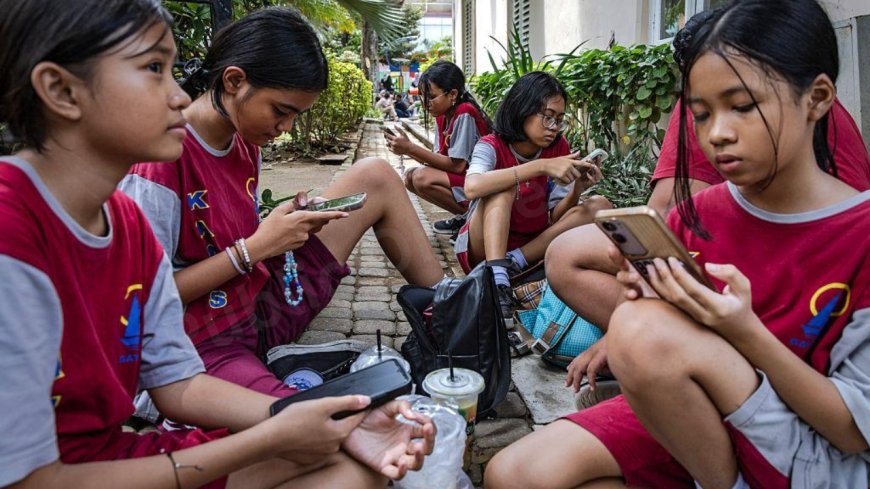
In 2026, Indonesia has taken a significant step toward digital safety by introducing stricter social media regulations, especially targeting users under the age of 16. The government’s focus is to protect young users from harmful content, online addiction, and privacy risks that have become increasingly common in today’s digital world. This move reflects growing global concerns about how early exposure to social platforms can impact mental health and behavior.
The new regulation aims to limit access to certain platforms for minors or require parental supervision and verification systems. Authorities believe that children and teenagers need a safer and more controlled online environment, where exposure to inappropriate or misleading content is minimized. As social media usage continues to rise rapidly across Indonesia, these measures are seen as necessary to ensure a balanced digital lifestyle.
This decision has sparked mixed reactions across the country. Many parents and educators support the move, viewing it as a positive step toward protecting younger generations. However, some critics argue that strict restrictions could limit freedom of expression and digital learning opportunities for teenagers who rely on social media for education and creativity.

Social media companies are also expected to adapt to these regulations by implementing stronger age verification systems and content moderation policies. Platforms may need to redesign certain features to comply with local laws, which could influence how apps function not only in Indonesia but potentially in other regions as well.
Overall, Indonesia’s approach highlights a broader shift toward responsible digital governance. As countries around the world explore similar policies, Indonesia is positioning itself as a leader in prioritizing youth safety in the digital age. The long-term impact of these regulations will depend on how effectively they balance protection, freedom, and innovation.