Iran-US Tension & Strait of Hormuz Crisis
Iran-US tension has escalated into a major global crisis centered around the Strait of Hormuz, a vital oil trade route. This conflict impacts global oil supply, economic stability, and raises fears of a wider Middle East war.
 SYED ABBUZAR
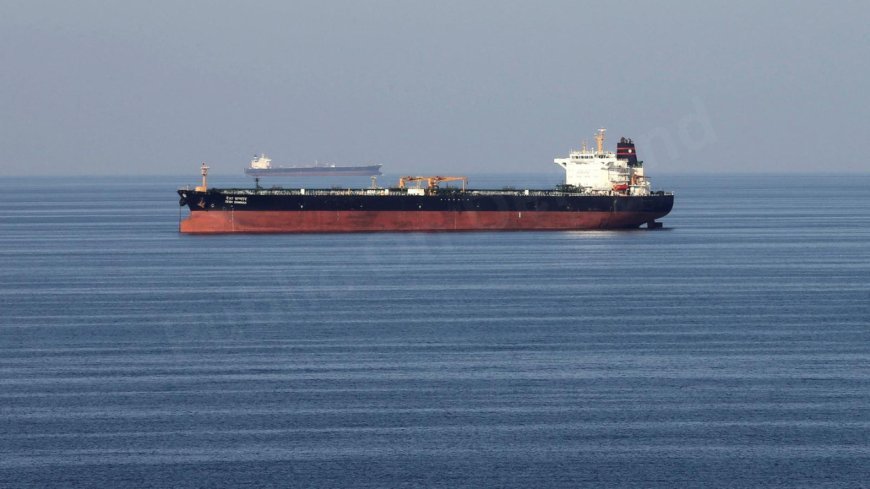
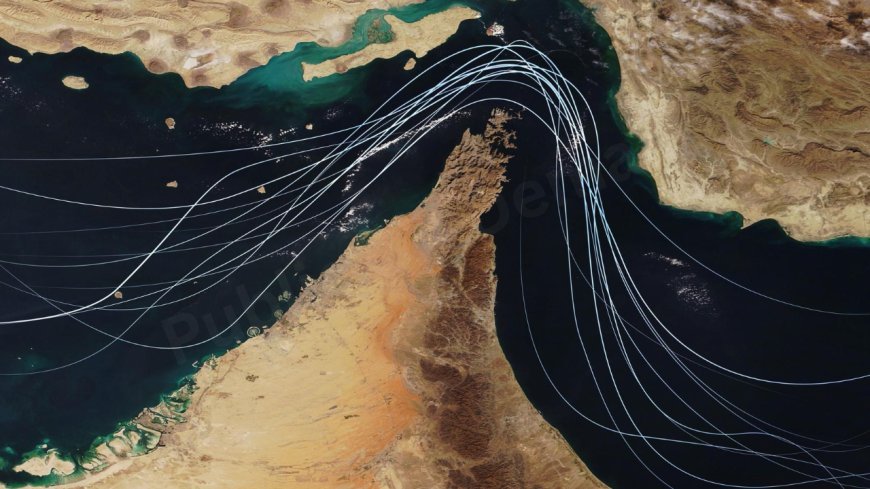
The rising tension between Iran and the United States has become one of the most serious geopolitical crises in recent times, with the Strait of Hormuz at the center of the conflict. This narrow but highly strategic waterway, located between Iran and Oman, carries nearly 20% of the world’s oil supply, making it extremely important for global energy security. The roots of this conflict lie in long-standing disputes over Iran’s nuclear program, economic sanctions imposed by the United States, and regional power struggles in the Middle East. In 2026, the situation escalated significantly after military confrontations and failed diplomatic efforts, leading Iran to threaten and at times restrict access to the Strait of Hormuz.
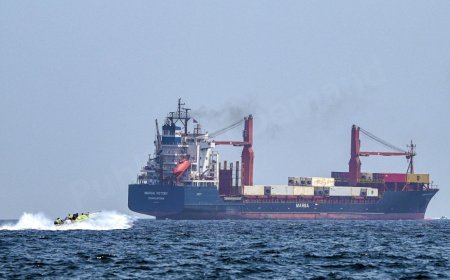
Iran has used this strategy as a form of geopolitical pressure, aiming to force the United States and its allies to reconsider sanctions and negotiate on more favorable terms. Instead of fully closing the strait, Iran has relied on asymmetric tactics such as deploying drones, naval mines, and small attack boats to make the region unsafe for commercial shipping. This has led to increased attacks and risks for oil tankers and cargo vessels, creating uncertainty in global trade routes. As a result, oil supply chains have been disrupted, causing a sharp rise in crude oil prices and increasing fuel costs worldwide.
The global impact of this crisis has been significant, affecting economies, trade, and security. Countries that heavily depend on oil imports, such as India, are particularly vulnerable, facing inflation, higher transportation costs, and economic pressure. Additionally, shipping companies are forced to reroute vessels or pay higher insurance premiums due to the increased risk in the region. The ongoing tension also raises the possibility of a larger regional conflict, which could involve multiple countries and further destabilize the Middle East.
Despite the seriousness of the situation, several possible outcomes remain. Diplomatic negotiations could help ease tensions and reopen safe passage through the strait, while continued hostility may lead to ongoing disruptions and economic instability. In the worst-case scenario, the conflict could escalate into a full-scale war, severely impacting the global economy and energy markets. Overall, the Iran–US tension and the Strait of Hormuz crisis demonstrate how a single strategic chokepoint can influence global stability, highlighting the urgent need for diplomatic solutions and international cooperation.