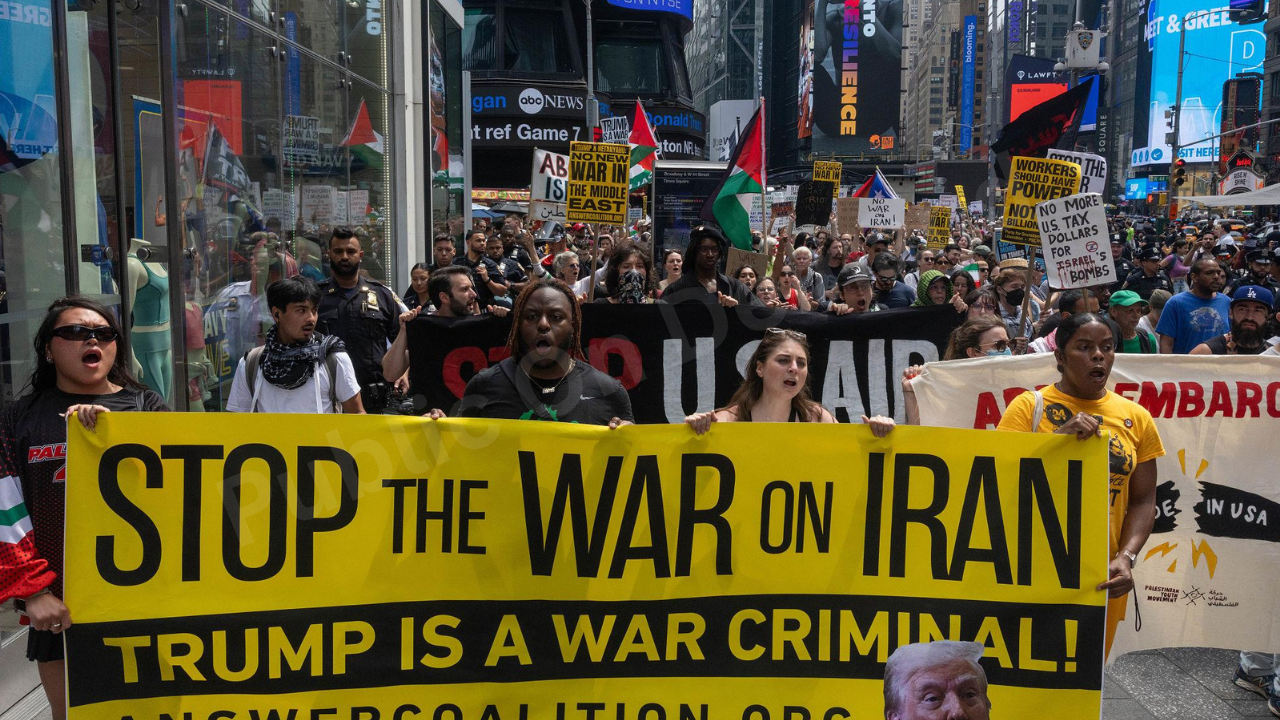
On a brisk afternoon in New York City, hundreds of demonstrators moved through Manhattan with a message that was simple and unmistakable: stop the escalation. The march—organized by a mix of anti-war coalitions, Palestinian solidarity groups, Iranian diaspora organizers, and local civil liberties advocates—condemned what speakers described as US-enabled and Israeli-led attacks on Iran, and warned that the region is sliding into a broader conflict that could pull in multiple powers.
If you’ve been following the headlines, you already know the past year has been defined by a dangerous rhythm: a strike, a retaliation, then another strike. In that context, the New York march wasn’t just another weekend protest. It was a snapshot of public anxiety—about war, about civilian harm, and about how quickly “limited” military actions can become something much bigger.
So what exactly were protesters saying, who was there, and what can you do if you’re trying to make sense of the moment—or influence what comes next?
What happened at the New York march?
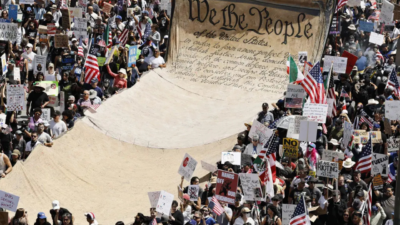
The demonstration drew hundreds, according to organizers and observers on the ground. Protesters carried signs calling for de-escalation, an end to airstrikes and covert operations, and a halt to US military support that they believe enables Israeli operations. Chants focused on “no war with Iran,” “ceasefire now,” and demands that elected officials rein in military involvement overseas.
There was a wide mix of participants: longtime anti-war activists, students, faith leaders, and New Yorkers who said they were simply exhausted by the constant drumbeat of crisis. Some wore keffiyehs in solidarity with Palestinians; others carried Iranian flags or posters emphasizing Iranian civilian lives. That coalition matters. It reflects a growing trend in US protest politics: conflicts are no longer seen as isolated. They’re understood as part of an interconnected regional and global security story.
Why New York City becomes the stage for global dissent
New York is a natural organizing hub—home to major media outlets, international institutions, and one of the most politically diverse populations in the country. It also has large Jewish, Arab, Persian, and immigrant communities with personal ties to Middle East politics.
And in a city where people argue about everything from rent to subway delays, foreign policy still shows up—because many New Yorkers see it as inseparable from human rights, domestic spending priorities, and the moral weight of civilian casualties.
Why protesters are condemning US‑Israeli attacks on Iran
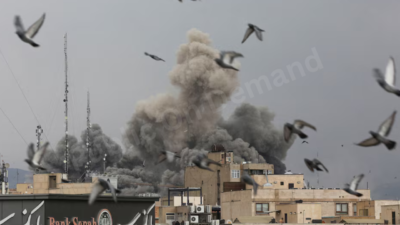
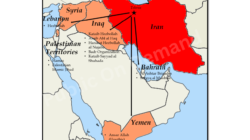
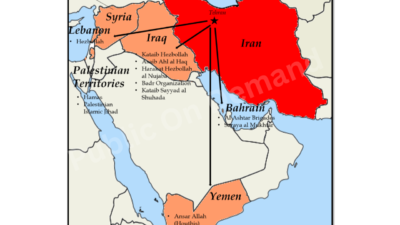
Map showing Iran Israel conflict escalationTo understand the chants, you have to understand the fears underneath them. Demonstrators repeatedly pointed to a pattern of military actions and counteractions that has intensified since late 2023 and into 2024–2025: Israel’s regional security operations, Iran’s network of allied groups, and US deployments meant to deter attacks on US forces and partners.
This isn’t occurring in a vacuum. The Middle East has seen repeated cycles of escalation where targeted strikes—on military sites, leadership figures, or alleged weapons infrastructure—raise the risk of miscalculation. When governments frame attacks as “limited” or “precise,” critics often respond with a hard question: limited for whom?
Because for civilians, “limited strikes” can still mean shattered neighborhoods, disrupted hospitals, lost family members, and generations of trauma.
The wider context: escalation risks and the “shadow war” going public
For years, analysts described a long-running “shadow war” between Israel and Iran—covert actions, cyber operations, and targeted strikes often attributed to one side or the other, sometimes without official confirmation. But recent events have repeatedly pushed that shadow conflict toward more open confrontation.
That shift matters because open confrontation changes the incentives. It pressures leaders to “respond,” and it makes off-ramps politically harder. The New York protest, in many ways, was a public plea for an off-ramp.
The human cost: why civilians are central to the message
Even when demonstrations focus on geopolitics, the most compelling speeches tend to return to ordinary people. Protesters highlighted civilians across the region—Iranians, Israelis, Palestinians, Lebanese, Syrians, and Yemenis—who often absorb the consequences of state decisions.
The facts are sobering. Modern conflicts in urban areas can create cascading humanitarian crises: displacement, infrastructure collapse, and long-term public health damage. Worldwide, the UN has repeatedly warned that civilians make up the overwhelming majority of people affected by armed conflict, especially through displacement and indirect impacts like hunger and medical shortages.
That’s why you saw signs emphasizing hospitals, children, and refugees. It’s also why activists in New York tied their message to broader anti-war themes: if escalation continues, civilians will pay first—and pay most.
“Security” versus “collective punishment”: competing frames in the street
One of the most striking features of protests like this is how differently people define the same words. Supporters of Israeli military actions often describe them as necessary security measures against Iranian threats and allied militias. Protesters, on the other hand, frequently argue that escalating strikes, sanctions, and regional pressure amount to collective punishment and a recipe for wider war.
If you’re watching from the outside, it can feel like two realities playing on parallel tracks. The march in New York made clear that a significant slice of public opinion is demanding a shift away from military-first thinking.
What public protest can—and can’t—change in US foreign policy
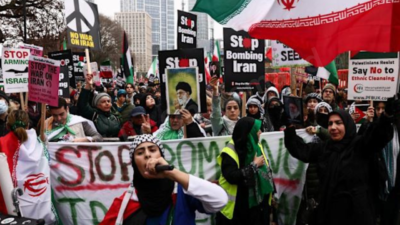
Public Reaction and Voices from the ProtestHere’s the uncomfortable truth: a march of hundreds doesn’t automatically move Washington. But dismissing it misses how policy pressure actually builds.
Protests contribute to what political scientists call the “issue environment”—the set of signals lawmakers track: public opinion, media coverage, donor priorities, activist intensity, and perceived electoral risk. In the US, foreign policy can feel distant, yet congressional offices do respond when phones ring, town halls get crowded, and local headlines keep returning to the same demand.
The anti-war movement during the Iraq era didn’t stop the invasion, but sustained public opposition shaped later political careers, shifted public trust, and influenced withdrawal debates. Similarly, protests over Gaza have had measurable political effects in some districts, reshaping local party conversations and candidate platforms.
So, will this New York march alone change US policy toward Israel and Iran? Probably not. But it may be one more brick in a growing wall of public pressure.
The role of diaspora communities and coalition politics
Another trend worth noticing: diaspora politics is increasingly central. Iranian Americans, Jewish anti-war groups, Arab American organizers, and Black and immigrant-led justice organizations often collaborate—sometimes uneasily, but increasingly effectively—around de-escalation and civilian protection.
That kind of coalition is powerful because it disrupts the simplistic narrative that only one community “owns” a conflict. It also broadens the moral vocabulary of the debate: from national security to human security.
Practical ways you can engage—without getting lost in the noise
Maybe you agree with the protesters. Maybe you don’t. Either way, if you’re trying to respond to rising US‑Iran‑Israel tensions in a meaningful way, you have options beyond doomscrolling.
1) Contact your representatives with specific asks
Skip the vague “do better” email. Be concrete. For example:
– Support legislation that requires congressional approval for expanded military action.
– Demand detailed reporting on US military assistance and how it’s used.
– Push for robust diplomatic channels and third-party mediation.
2) Verify information before sharing
During fast-moving crises, misinformation spreads like wildfire—especially on X, TikTok, and Telegram. Before reposting claims about strikes, casualty figures, or responsibility:
– Look for confirmation from multiple credible outlets.
– Be wary of recycled footage from older conflicts.
– Read beyond the headline; context often changes the meaning.
3) Support humanitarian organizations with transparent reporting
If your priority is civilian protection, focus on groups that publish audited financials and clear program data. Even small recurring donations can stabilize emergency response capacity over time.
4) Attend local forums, not just rallies
Marches are visible, but policy literacy is powerful. Look for teach-ins, library panels, university events, and community discussions that include regional experts, historians, and peacebuilding voices. You’ll leave with more than a slogan—you’ll leave with a clearer map of the problem.
Why this moment feels different—and what to watch next
The march in New York condemning US‑Israeli attacks on Iran is one signal among many that public concern about escalation is rising. People are watching the region edge toward a scenario where retaliation becomes routine, diplomacy becomes performative, and civilians become collateral.
What should you watch next? Three things:
1. Rhetoric shifts : when leaders start speaking in absolutes, compromise becomes harder.
2. Military posture changes : deployments, air defense moves, and “temporary” troop increases often indicate heightened risk.
3. Diplomatic openings : even small talks—through intermediaries—can signal that off-ramps still exist.
In the end, the New York march wasn’t just about one set of strikes or one day of protest. It was about a question that hangs over every escalation cycle: are we sleepwalking into a bigger war, or are we willing to pull back before the next headline becomes irreversible?
And if you’re reading this in New York—or anywhere—another question follows: what kind of pressure, from ordinary people, will it take to change the direction of history?