



Oil prices have surged sharply in early 2026, becoming one of the most important developments in global financial markets. The sudden increase in crude oil prices is largely driven by geopolitical tensions in the Middle East, supply concerns, and rising demand across major economies.
For traders, investors, and policymakers, the rise in oil prices is a crucial indicator because it influences inflation, stock markets, currencies, and even cryptocurrency trends.
Current Oil Price Situation
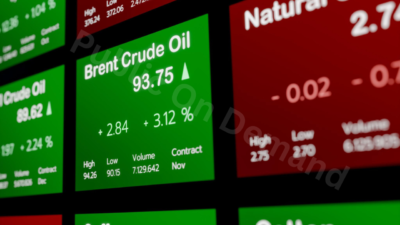
Crude oil prices have recently climbed close to $85 per barrel, marking one of the strongest weekly increases in recent months. Both Brent crude and WTI crude oil benchmarks have experienced sharp upward momentum as investors react to geopolitical uncertainty and supply disruption risks.
This rapid movement has triggered volatility across global markets, especially in energy stocks and commodity trading.
Key Reasons Behind the Oil Price Surge
Geopolitical Tensions in the Middle East
One of the primary drivers of the oil rally is rising instability in the Middle East. Any conflict or military escalation in major oil-producing regions can threaten supply routes and production capacity.
Because the Middle East produces a significant portion of the world’s crude oil, even the possibility of disruption can cause traders to push prices higher.
Supply Chain Disruptions

Oil supply chains are extremely sensitive to global conflicts, sanctions, and shipping disruptions. When markets fear that shipments could be delayed or restricted, oil traders often react quickly by increasing prices in anticipation of reduced supply.
Strong Global Demand

Despite economic uncertainties, global demand for oil remains strong due to:
- Growing industrial activity in Asia
- Increased transportation demand
- Expanding energy consumption in developing economies
Countries like China and India continue to play a major role in global oil demand growth.
Market Speculation and Trading Activity
Commodity traders and hedge funds often increase their exposure to oil during uncertain times. Speculative buying can accelerate price increases as investors anticipate further supply shortages.
Impact on Global Financial Markets
Stock Markets
Rising oil prices typically affect different sectors in different ways:
Benefiting sectors
- Energy companies
- Oil exploration firms
- Defense and infrastructure sectors
Negative impact sectors
- Airline companies
- Transportation businesses
- Manufacturing industries with high fuel costs
Inflation and Central Banks
Higher oil prices directly increase fuel costs, which can push inflation higher worldwide. Central banks may respond by adjusting interest rates, which further impacts stock and currency markets.
Currency Markets
When oil prices rise:
- Oil-exporting countries often see stronger currencies
- Import-dependent countries may experience currency pressure
- The US dollar sometimes strengthens as investors move toward safer assets
Trading Opportunities During Oil Price Surges
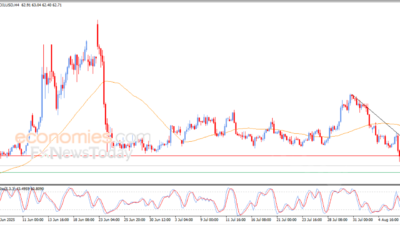
Oil futures trading opportunities energy marketFor traders, rising oil prices can create opportunities in several markets:
1. Energy Stocks – Oil companies often see their share prices increase.
2. Commodity Trading – Crude oil futures become highly active.
3. Forex Markets – Currencies linked to commodities show volatility.
4. Gold Trading – Investors sometimes move into gold as a hedge against inflation.
Outlook for Oil Prices
Market analysts believe oil prices may remain volatile in the coming weeks. If geopolitical tensions escalate or supply routes become disrupted, crude oil prices could rise even further. However, if tensions ease or production increases, prices may stabilize.
For traders and investors, monitoring geopolitical developments and global supply data will be essential to understanding the next move in oil markets.
latest global conflict updates
Read more: Why India Could Benefit From Russia’s Oil Shift
Iran Drones vs US Missiles Cost
Why India Could Benefit From Russia’s Oil Shift
Global Energy Crisis 2026