Indian Crew Member Killed in Drone Attack on Oil Tanker Amid Rising Middle East Tensions
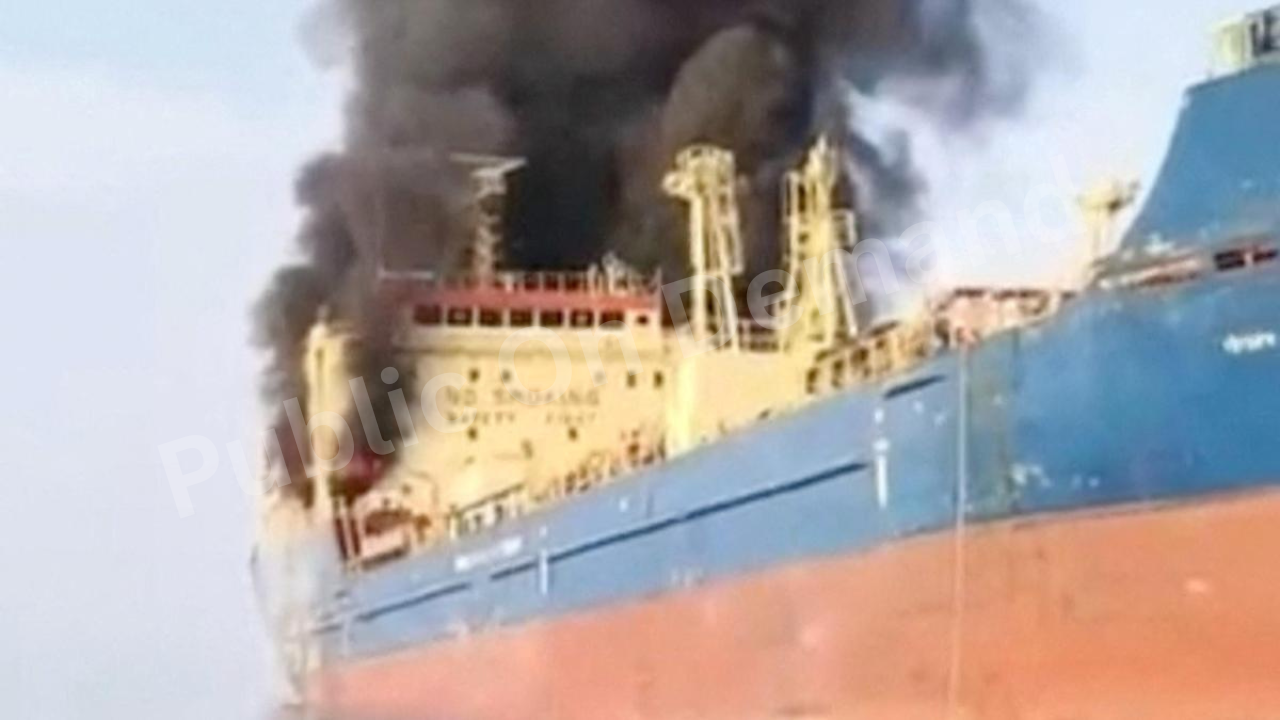
The ongoing tensions in the Middle East have taken a tragic turn after an Indian crew member lost his life in a drone attack on an oil tanker in the region. The incident highlights the growing dangers faced by civilian maritime workers as geopolitical conflicts continue to escalate.
What Happened?
According to emerging reports, an oil tanker operating in sensitive Middle Eastern waters was struck by a drone during heightened regional conflict. The attack resulted in the death of an Indian national who was part of the ship’s crew.
While investigations are still ongoing, early information suggests the vessel was caught in the crossfire of rising military hostilities in the region.
This incident marks a worrying development, as it shows how global conflicts are increasingly affecting commercial shipping routes and civilian lives.
Why This Matters
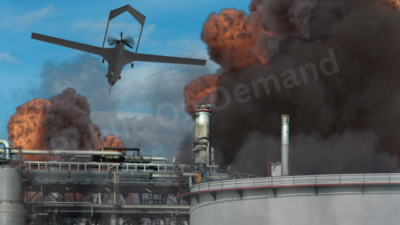
The death of an Indian crew member is not just an isolated maritime tragedy — it reflects the wider risks posed by instability in key global oil transit routes.
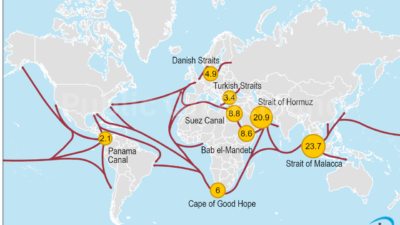
The Middle East remains one of the most strategically important regions for:
- Global oil supply
- Shipping trade routes
- Energy security
Any escalation in conflict directly threatens:
- Merchant vessels
- International crews
- Trade logistics
For countries like India, which rely heavily on imported energy, such disruptions can have long-term economic and security implications.
Impact on India
The incident has already raised concerns within India’s maritime and diplomatic circles. With thousands of Indian nationals working aboard international cargo and oil vessels, safety in conflict-prone waters has become a major issue.
This attack also comes at a time when:
- Several international flights to the Middle East have been disrupted
- Regional tensions are affecting global travel and trade
- Security alerts have increased across strategic zones
India may now push for stronger protection measures for its citizens working in high-risk maritime zones.
Growing Threat to Commercial Shipping
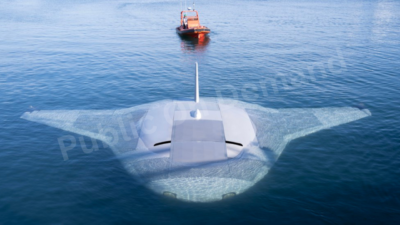
Drone warfare has changed the nature of modern conflict. Unlike traditional attacks, drones allow strikes to occur:
- Without warning
- At long distances
- With minimal direct engagement
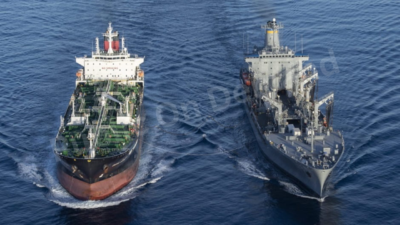
This makes commercial vessels increasingly vulnerable, especially in politically unstable waters.
Recent events suggest that shipping lanes are no longer “safe zones” during conflicts.
Global Implications
The attack could lead to:
- Higher insurance costs for shipping companies
- Rerouting of oil tankers
- Increased fuel prices globally
- Tighter naval monitoring in key maritime corridors
If tensions continue to rise, the world could see disruptions in supply chains and energy markets.

Conclusion
The death of an Indian crew member in a drone attack on an oil tanker is a sobering reminder that geopolitical conflicts often extend far beyond military zones.
As tensions in the Middle East continue, the safety of civilian workers — especially those in global trade routes — remains a growing concern.
The international community will now be watching closely to see how maritime security evolves in response to this alarming incident.