


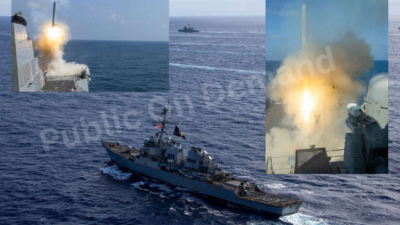
Rising tensions in the Middle East have created a new geopolitical challenge for India. Reports that the United States Navy sank an Iranian warship have intensified global concerns and placed unexpected diplomatic pressure on Narendra Modi.
While the confrontation directly involves the United States and Iran, its ripple effects extend far beyond the battlefield. For India, the situation raises serious questions about foreign policy balance, energy security, and regional stability.
What Led to the Naval Confrontation
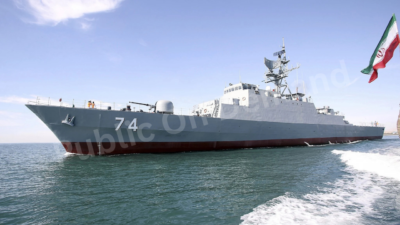
The incident reportedly occurred during heightened military tensions in strategic waters near key global shipping routes. According to defense analysts, the United States Navy intercepted and sank an Iranian naval vessel after a confrontation at sea.
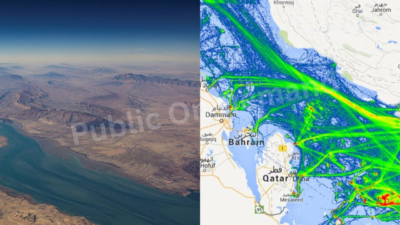
The ship was believed to be operating in sensitive maritime zones connected to the Persian Gulf, one of the most important corridors for global oil transport.
Military experts warn that even isolated naval incidents in this region can escalate quickly, especially when major powers are involved.
Why the Crisis Matters for India
The situation places India in a complex diplomatic position.
India maintains strong strategic partnerships with the United States, particularly in defense cooperation and Indo-Pacific security initiatives. At the same time, Iran has historically been an important partner for India in energy trade and regional connectivity projects.
Because of these dual relationships, any escalation between Washington and Tehran forces New Delhi to carefully manage its response.
For Narendra Modi, the challenge is maintaining diplomatic neutrality while protecting India’s national interests.
Oil Supply and Economic Risks
One of the biggest concerns for India is energy security.
A large portion of global oil shipments passes through the Strait of Hormuz, making the region extremely sensitive to military conflict.
If tensions between the United States and Iran intensify, shipping routes could be disrupted, causing global oil prices to surge.
For a country like India, which imports a large share of its energy needs, even small disruptions could lead to higher fuel prices, inflation, and economic pressure.
India’s Likely Diplomatic Strategy
Foreign policy experts believe India will follow a balanced diplomatic approach, avoiding direct alignment with either side.
Possible steps may include:
- Calling for dialogue and de-escalation between the US and Iran
- Strengthening naval surveillance in the Indian Ocean
- Expanding oil imports from alternative suppliers
- Continuing diplomatic engagement with both Washington and Tehran
Historically, India has maintained strategic autonomy in global conflicts, and the current crisis is likely to test that policy again.
Global Reactions and Strategic Implications
The incident has sparked concern across the international community. Several countries are closely monitoring the evolving situation in the Middle East, as any escalation could impact global trade, energy markets, and maritime security.
Analysts say the event also highlights how modern geopolitical conflicts increasingly affect countries that are not directly involved in the confrontation.
For India, stability in the region remains critical for both economic growth and strategic security.
Source: Bloomberg