Impact of US Israel Iran Strike
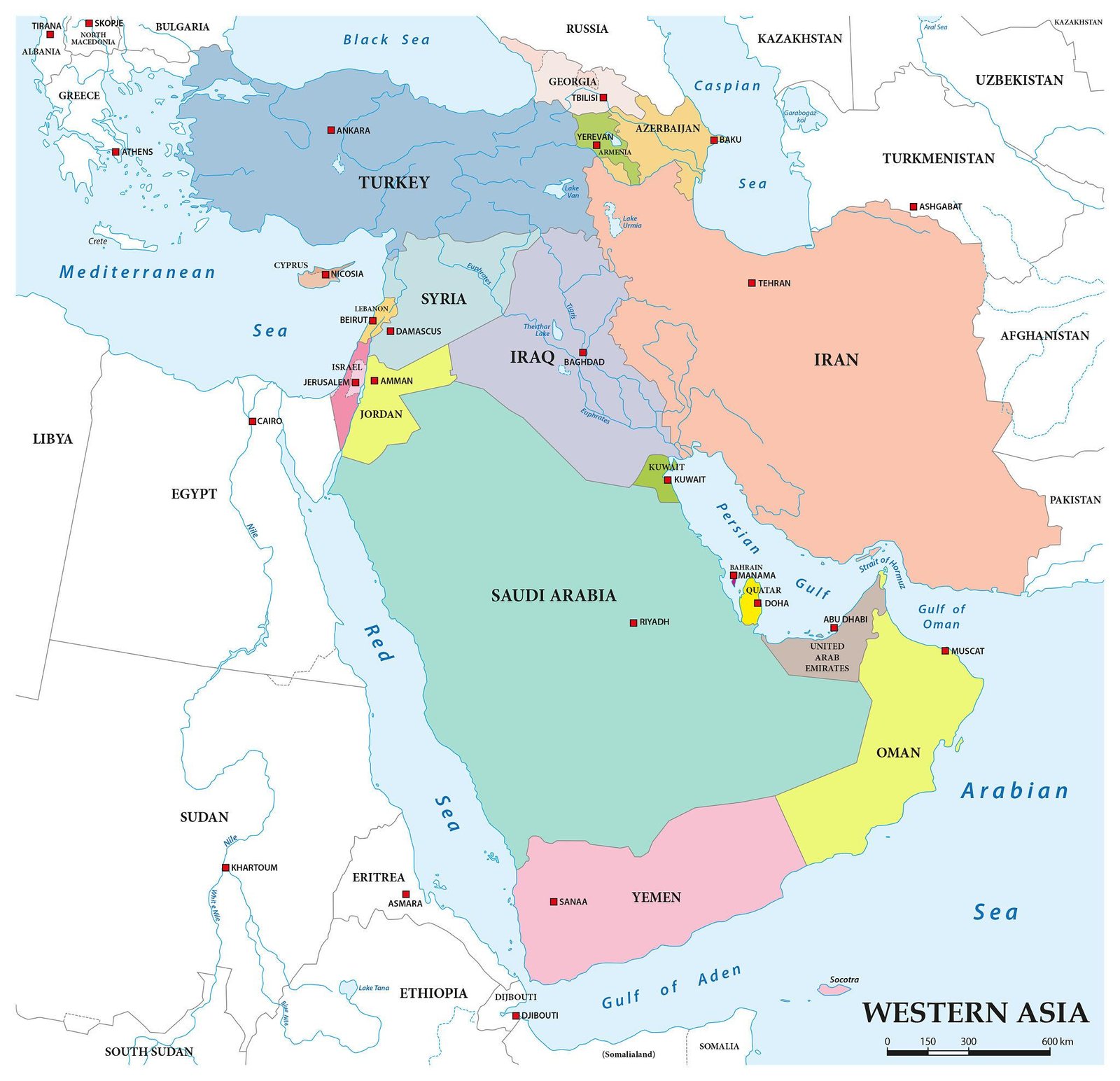
US Israel Iran Strike has significantly escalated tensions in the Middle East.
However, the situation quickly escalated and changed the regional balance overnight.
The global security landscape experienced a significant shift on February 28, 2026, following reports of coordinated strikes by the United States and Israel on strategic locations inside Iran.US Israel Iran Strike
This development represents one of the most serious escalations in the region in recent years and signals a transition from indirect tensions to more direct engagement.
Background to the Situation
For years, tensions involving Iran remained largely indirect, involving proxy conflicts, cyber incidents, and regional disputes.
The latest action suggests a change in approach, moving beyond indirect confrontation toward targeted operations.
Locations near:
- Isfahan
- Tehran
were reportedly among the affected areas.
These sites were believed to be linked to military and strategic infrastructure.
Strategic Significance
Observers note that this move may reflect growing concerns about regional security dynamics.
Such developments often influence:
- Defense planning
- Diplomatic engagement
- Regional alliances
The action also highlights ongoing shifts in geopolitical calculations.

Global Impact
Events of this scale rarely remain confined to a single region.
Potential implications may include:
- Increased market volatility
- Changes in energy supply expectations
- Heightened global security awareness
The Strait of Hormuz remains particularly important due to its role in international oil transport.
As a result, global markets reacted strongly to the development.

Economic Considerations
Energy markets are sensitive to developments in the Middle East.
Possible outcomes could involve:
- Fluctuations in oil prices
- Investor uncertainty
- Trade route concerns
Global economies may closely monitor further developments.
Global energy updates can be tracked here:
https://www.iea.org/
Regional Response
Reports indicate that security alert levels have increased across several neighboring regions.
Governments are expected to strengthen monitoring and preparedness measures.
Such responses are often precautionary during periods of uncertainty.
Strategic policy insights are available at:
https://www.nato.int/
Diplomatic Outlook
Diplomatic channels may play a key role in managing the situation.
Calls for:
- Dialogue
- De-escalation
- Stability
are expected in the coming days.
International security developments are monitored here:
https://www.un.org/
Looking Ahead
Future developments may depend on:
- Policy decisions
- Regional coordination
- Strategic responses
The coming period is likely to shape the broader trajectory of regional stability.
However, the situation may still change in the coming days.
Therefore, global leaders are closely watching the developments.
The situation is serious.
People are worried about what happens next.
Conclusion
The reported strikes represent a notable shift in the evolving security environment.
While immediate outcomes remain uncertain, the situation underscores the importance of diplomatic engagement in maintaining stability.
Therefore, the coming days will be critical for global stability.
Read more global updates in our
Latest International News