The Middle East stands at a precarious crossroads. As the shadow boxing between Israel and Iran transitions into a direct, high-stakes confrontation, the Pentagon has responded with a significant surge in military assets Iran-Israel conflict. This is no longer just a routine rotation of forces; it is a calculated buildup that has seen the total number of US personnel in the region climb to between 40,000 and 43,000 as of late 2024.
From the arrival of advanced missile defense systems to the deployment of elite fighter squadrons, the recent movements represent a hardening of the US posture. But beyond the sheer hardware, the deployment of American “boots on the ground” in Israel marks a definitive shift in the Iran-Israel conflict of 2024.
The THAAD Deployment: A Strategic Turning Point Iran-Israel conflict
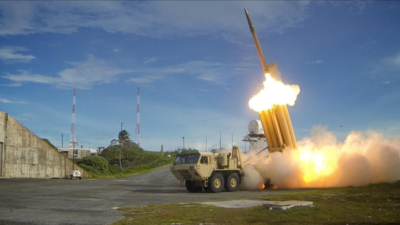
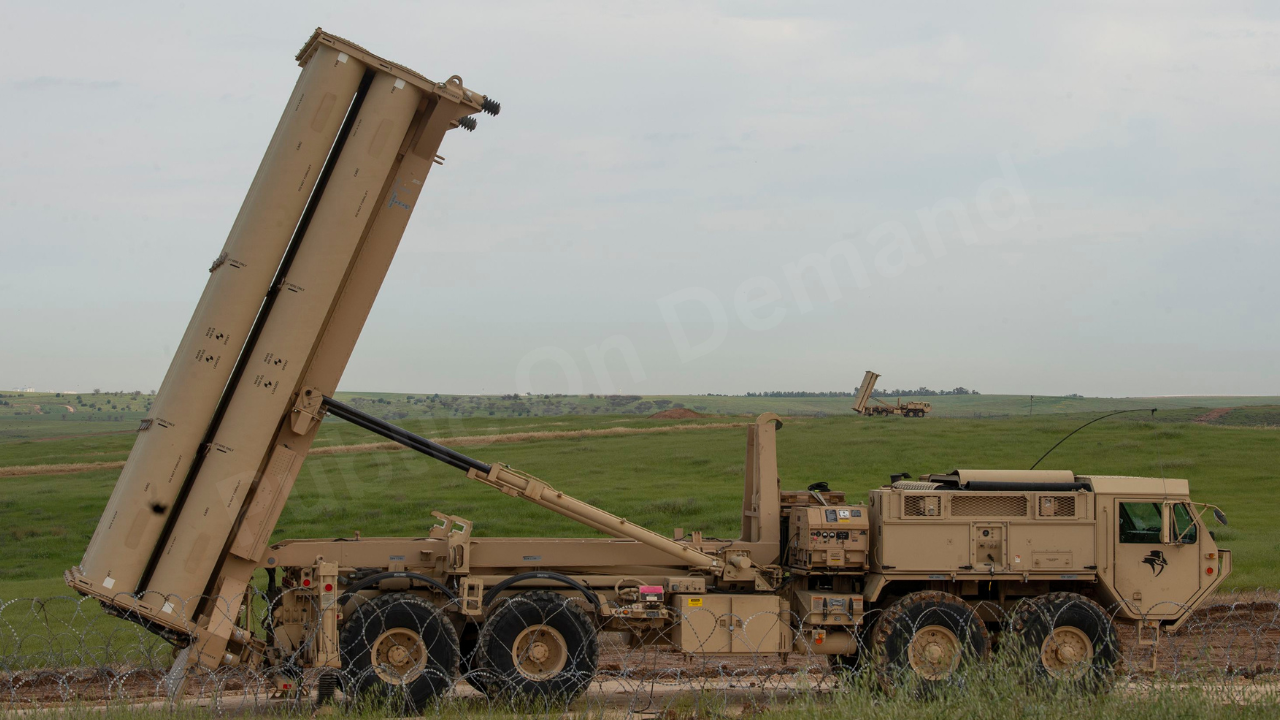
The most significant development in recent weeks is the deployment of a Terminal High Altitude Area Defense (THAAD) battery to Israel. While the US has provided Israel with billions in military aid for decades, the THAAD system comes with a rare accompaniment: approximately 100 US soldiers to operate it.
This move is a direct response to the October 1st Iranian ballistic missile attack on Israel. By placing American service members in charge of a critical node in Israel’s multi-layered defense, the Biden administration is doing more than just providing technology. It is creating a “tripwire” effect. This deployment signals to Tehran that any further large-scale missile barrages could result in American casualties, a scenario that would almost certainly draw the United States into a direct kinetic conflict.
Bolstering the Skies: F-15Es and “Tank Busters” Iran-Israel conflict
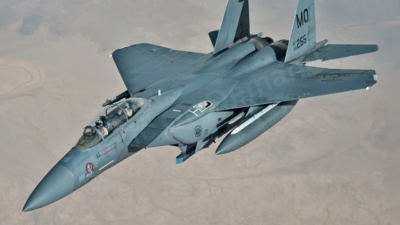
While the THAAD provides a defensive shield, the Pentagon is also sharpening its offensive and deterrent edge in the air. Additional fighter squadrons have been funneled into the region to ensure total air superiority.
The reinforcement includes:
- F-15E Strike Eagles: Versatile, dual-role fighters capable of deep-strike missions against hardened targets.
- F-16 Fighting Falcons: Providing agile air-to-air and air-to-ground capabilities.
- A-10 Thunderbolt IIs: Known as “Warthogs,” these rugged aircraft are designed for close air support and serve as a potent deterrent against Iranian-backed maritime or ground-based provocations.
The presence of the F-15E Strike Eagle in the Middle East serves a dual purpose: it provides a safety net for Israeli airspace while maintaining the capability to strike Iranian proxy infrastructure or nuclear facilities should the order be given.
Naval Presence: Holding the Line in the Gulf
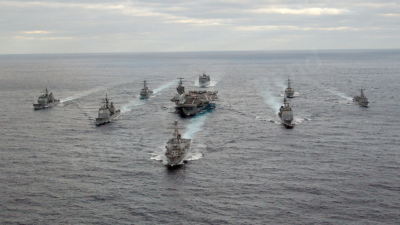
At sea, the US military footprint remains formidable. The USS Abraham Lincoln carrier strike group continues its station in the Gulf of Oman, providing a mobile airbase that can project power across the entire theater.
The naval strategy has been one of constant pressure and rotation. As the USS Theodore Roosevelt recently completed its rotation, the Lincoln has taken the lead in monitoring Iranian naval movements and ensuring the freedom of navigation in the Strait of Hormuz. These carrier groups are supported by destroyers and cruisers equipped with Aegis combat systems, further thickening the defensive umbrella against drone and missile threats originating from Yemen or Iran.
Strategic Signaling: Deterrence or Preparation?
The central question surrounding the US troop deployment in the Middle East is whether these moves are meant to prevent a war or prepare for one.
Current Pentagon Middle East strategy appears to be a “deterrence through capability” model. By flooding the zone with high-end assets, the US is attempting to signal to Iran that the costs of escalation far outweigh the benefits. However, the integration of US forces with the Israeli Defense Forces (IDF) suggests a level of coordination not seen in previous decades.
This is no longer a hands-off approach. The US is actively integrating its radar and data-link systems with the IDF to create a seamless defensive net. This coordination ensures that if Iran launches another multi-vector attack, the response—both defensive and retaliatory—will be immediate and synchronized.
The Risks of Escalation
Despite the intent of US military deterrence against Iran, the risks are substantial. The increased proximity of US troops to the front lines increases the chance of miscalculation. A single successful strike on a THAAD site or a US naval vessel could ignite a regional conflagration that diplomats have spent months trying to avoid.
As 2024 draws to a close, the US footprint in the Middle East is larger and more active than it has been in years. While the goal remains regional stability, the message to Tehran is unmistakable: the United States is no longer just an observer; it is a stakeholder in the defense of Israel, and its military is positioned to act.