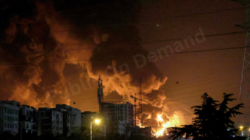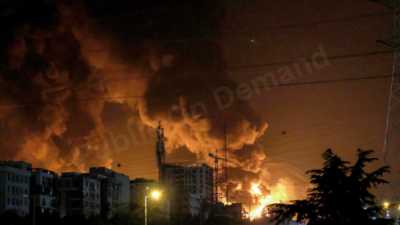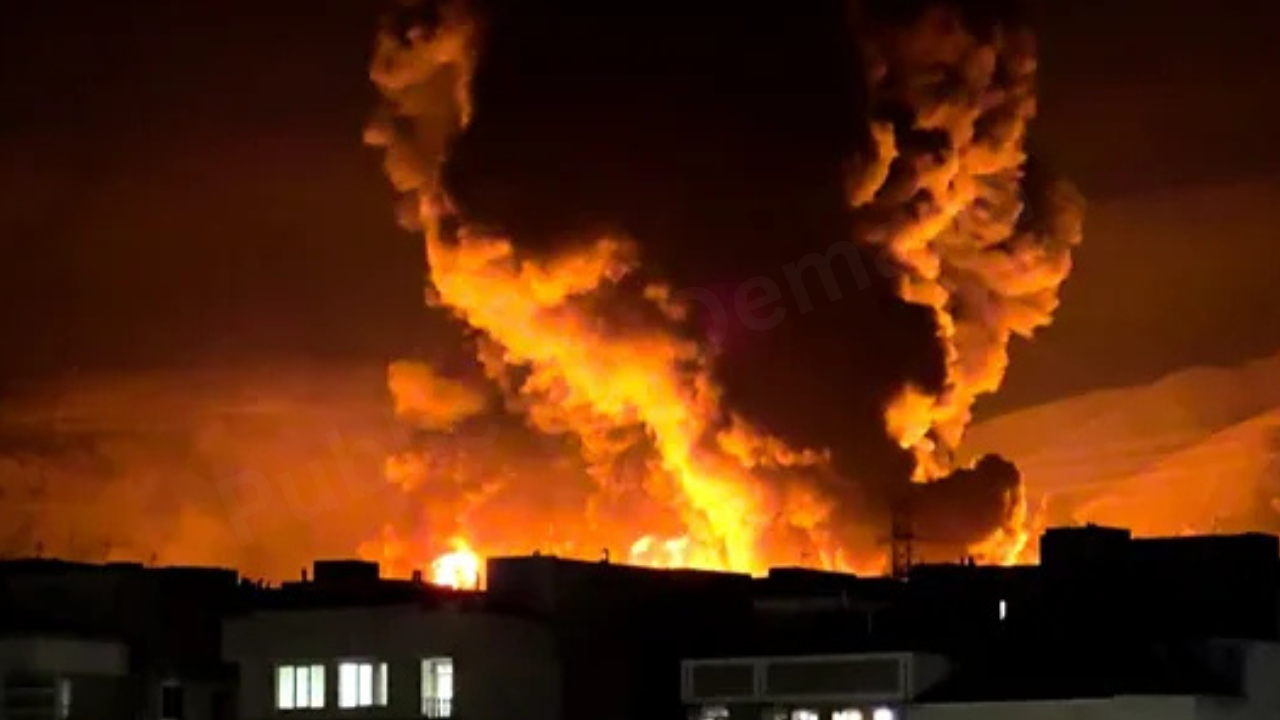
The night sky over Tehran didn’t just glow this weekend; it burned. For the first time in the rapidly expanding nine-day war, civilian industrial lifelines have become fair game, fundamentally altering the trajectory of the Middle East conflict. With U.S. and Israeli forces launching unprecedented strikes on Iranian oil facilities, and Saudi Arabia mourning its first casualties of the war, the region is bracing for a catastrophic ripple effect that threatens both global energy markets and countless civilian lives.
The Blaze in Tehran: Oil Depots in the Crosshairs
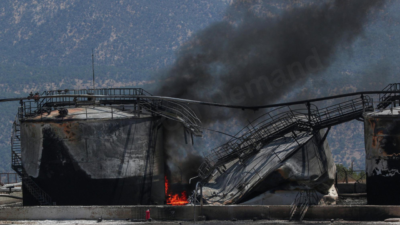
In a dramatic escalation, U.S. and Israeli forces struck five oil facilities in and around the Iranian capital overnight. According to Keramat Veyskarami, the CEO of Iran’s National Iranian Oil Products Distribution Company, the targeted sites included four major oil depots and a critical logistics center in Tehran and neighboring Alborz.
The human cost of this strategic pivot was immediate. Four personnel, including two tanker truck drivers, lost their lives in the inferno. As dawn broke on Sunday, a heavy, dark haze blanketed Tehran, carrying the acrid smell of burning fuel into the homes of millions of residents.
While Israeli military officials confirmed the strikes on fuel storage centers, Iranian authorities were quick to decry the move. Foreign Ministry spokesman Esmaeil Baqaei likened the destruction of fuel sites to “intentional chemical warfare,” citing the massive release of toxic substances into the atmosphere.
Unsurprisingly, the global economy is already feeling the tremors. The price for a barrel of Brent crude jumped 8.5 percent to $92.69 by Friday, its highest level since 2023. As Iran’s parliament speaker Mohammad Bagher Qalibaf grimly noted, the continuation of these attacks could completely cripple the region’s ability to produce or sell oil.
Spillover: Saudi Arabia Suffers First Casualties
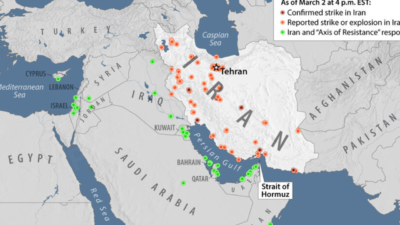
The narrative that this war could be contained entirely within Iran, Israel, and Lebanon has shattered. On Sunday evening, Saudi Arabia confirmed its first fatalities linked to the conflict. A military projectile crashed into a residential neighborhood, killing two expatriates—one Indian and one Bangladeshi national—while leaving 12 other Bangladeshi residents wounded.
This tragic incident underscores a terrifying reality: the airspace over the Gulf is highly volatile. The casualties in Saudi Arabia come amid a broader barrage of Iranian missile and drone strikes targeting neighboring nations. Kuwait recently reported a deadly drone strike on a government office block that killed two officers, while Bahrain confirmed an attack that caused material damage to a crucial desalination plant—a facility essential for the island’s drinking water.
A Conflict Without Borders
The diplomatic fallout is proving just as messy as the tactical warfare. Over the weekend, Iranian President Masoud Pezeshkian appeared to walk back conciliatory remarks in which he apologized for attacks on Gulf neighbors. Pressured by hardliners within his government, Pezeshkian returned to a combative stance, threatening to expand attacks on U.S. and Israeli targets.
Meanwhile, Arab League Chief Ahmed Abouel Gheit forcefully condemned Iran’s “reckless policy” of dragging Arab countries into the fray.
Beyond the Gulf, the war’s traditional fronts are burning hotter than ever. Israel has intensified its campaign in Lebanon, striking a hotel in central Beirut and battling Hezbollah militants in the south. In a somber milestone, the Israeli military reported its first two soldier fatalities in southern Lebanon since the hostilities flared up. Inside Iran, the toll has been devastating, with the Health Ministry reporting over 1,200 dead, including hundreds of women and children.
Looking Ahead
As U.S. and Israeli leaders promise “many surprises” for the next phase of their coordinated campaign, the strategic map of the Middle East is being violently redrawn. We are no longer looking at localized skirmishes or proxy battles. By targeting the very infrastructure that keeps cities running—from oil depots in Tehran to desalination plants in the Gulf—the combatants are ensuring that the scars of this nine-day war will last for generations.