



The phrase “Israel and US war” can sound startling, because the United States and Israel are long-standing allies. But in today’s Middle East—shaped by Iran’s regional influence, conflicts in Gaza and Lebanon, Houthi attacks in the Red Sea, and great-power competition—people are asking a very real question: could events escalate into a direct Israel–U.S. war scenario, or a wider regional war in which both are deeply involved?
If you’ve been scrolling headlines and feeling whiplash, you’re not alone. Let’s break down what “Israel and US war” really means in practice, what the current trends suggest, the most likely escalation pathways, and what you can do—personally and professionally—to stay informed and prepared.
What People Mean When They Search “Israel and US War”
First, a reality check: Israel and the U.S. are not enemies in the conventional sense. The more realistic concern is **a war that involves both Israel and the U.S. as military participants**—often against shared adversaries or amid a broader regional escalation.
That distinction matters because it changes the questions you should be asking:
– Is the U.S. likely to fight **alongside** Israel directly?
– Could the U.S. be drawn into a war with Iran or Iran-aligned groups?
– What would be the economic and security consequences globally?
The U.S. provides Israel with significant security assistance—**$3.8 billion per year** under a 10-year memorandum of understanding that began in 2019. At the same time, the U.S. also balances alliances with Arab partners, protects global shipping lanes, and manages the risk of a wider war that could drive energy prices and disrupt trade.
Why the Risk of Escalation Has Increased Since 2023
It’s hard to talk about an Israel and US war scenario without addressing the turning points of recent years.
Gaza and the Pressure Cooker Effect
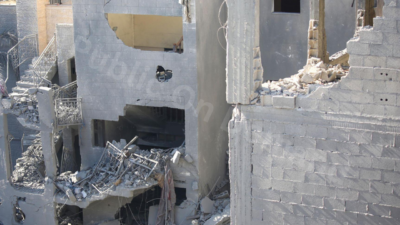
After the October 7, 2023 attacks by Hamas and Israel’s subsequent military campaign in Gaza, regional tensions rose sharply. The humanitarian crisis and ongoing fighting increased pressure on U.S. diplomacy and complicated Washington’s position. Meanwhile, violence also spiked in other arenas—Lebanon’s border area, the West Bank, and maritime routes tied to the conflict’s ripple effects.
The Red Sea and the Shipping Shock

Red Sea shipping crisis global trade routeAnother major escalator: the **Red Sea crisis**. Yemen’s Houthi movement began targeting commercial vessels, citing solidarity with Gaza. The result? A critical trade lane became more dangerous. Roughly **12% of global trade** typically transits the Suez Canal route in normal conditions, and disruptions can quickly raise shipping costs and delivery times.
The U.S. responded with naval operations and strikes intended to protect freedom of navigation. When the U.S. conducts military action in the region while Israel is simultaneously engaged elsewhere, the risk of miscalculation rises.
Iran, Deterrence, and Shadow War Dynamics

Iran missile attack on Israel interceptionThe U.S. and Israel both view Iran’s regional strategy—supporting armed groups and advancing missile and nuclear capabilities—as a central security issue. Even when Washington and Jerusalem don’t agree on tactics or timing, the core challenge remains.
In 2024, the region saw an unprecedented moment when **Iran launched a large-scale drone and missile attack on Israel**, and Israel—with help from partners—intercepted the majority. That kind of direct exchange pushes the region closer to open conflict, even if both sides try to “message” restraint.
How a Direct Israel–U.S. War Could Happen (Most Likely Scenarios)
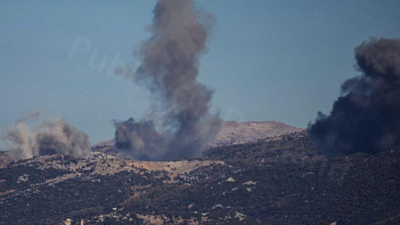
A direct “Israel and US war” isn’t likely to mean the two are fighting each other. More plausibly, it means **a war in which both become active belligerents**. Here are the most discussed pathways.
Scenario 1: A Wider War with Iran
If Israel and Iran move from calibrated strikes to sustained attacks—on military bases, energy infrastructure, or command-and-control nodes—the U.S. could be pulled in to protect forces, allies, and shipping lanes.
**What would trigger U.S. entry?**
– A major attack on U.S. troops or bases in the region
– Threats to the Strait of Hormuz (where a significant share of global oil flows)
– A situation where U.S. air defense and naval assets are required at scale
Scenario 2: Hezbollah-Israel Escalation in Lebanon
Hezbollah possesses a large rocket and missile arsenal, and a full-scale war on Israel’s northern front could rapidly become regional. The U.S. may increase intelligence, air defense support, evacuation operations, and naval posture—steps that can quickly blur into direct involvement.
Scenario 3: Maritime Conflict Expands
If commercial shipping continues to face sustained threats, naval forces could become engaged in repeated clashes. Prolonged maritime confrontation can draw in multiple states, especially if attacks lead to large civilian casualties or significant economic shocks.
What the U.S.–Israel Alliance Actually Looks Like in Wartime
It’s tempting to imagine the alliance as automatic and uniform. In reality, it’s layered.
Military Aid and Defense Cooperation
Israel’s air defenses—like Iron Dome—are often discussed, but Israel’s multi-layer defense includes systems designed for different threats. U.S. cooperation has supported research, replenishment, and interoperability. In crisis periods, the pace of resupply and the political debates around it become part of the story.
Diplomatic Leverage and Constraints
Washington often uses behind-the-scenes diplomacy to shape Israeli decision-making, while also managing domestic politics at home. That means you’ll frequently see a mix of:
– Public statements emphasizing Israel’s security
– Private pressure around escalation control, civilian protection, and endgame planning
Understanding that dual track helps you interpret why headlines can seem contradictory.
The Global Impact: Energy, Markets, and Cyber Risk
Even limited conflict in the Middle East can have outsized global effects. If you’re wondering why this matters beyond geopolitics, here’s the practical link.
Energy Prices and Inflation
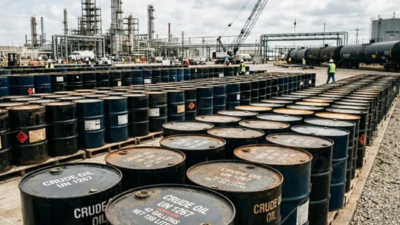
Middle East conflict impact on oil pricesThe Middle East remains central to global oil supply. If conflict threatens key chokepoints or production, oil prices can spike, feeding inflation. You may not see it immediately at the pump, but it can show up in shipping costs, airline prices, and consumer goods.
Supply Chains and Shipping Insurance
When shipping routes become risky, insurers raise premiums and companies reroute vessels—often around the Cape of Good Hope—adding time and cost. For businesses, this can mean delayed inventory and higher logistics expenses.
Cybersecurity and Disinformation
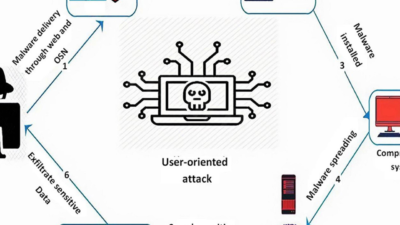
cyber warfare during global conflictsModern war isn’t only kinetic. Conflicts often coincide with spikes in:
– Phishing campaigns and ransomware attempts
– State-linked cyber operations targeting infrastructure
– Disinformation efforts aimed at public opinion and elections
If you manage a business—or even just your personal data—this is not abstract.
Practical, Actionable Advice: How to Stay Informed Without Getting Manipulated
It’s easy to feel overwhelmed by the volume of coverage around an Israel and US war scenario. Here’s a more grounded approach.
1) Track a Few Signal Indicators (Not Every Headline)
Pick 4–6 indicators that actually move risk:
– Direct Israel–Iran strikes (scale, targets, and frequency)
– Hezbollah engagement level and Israeli evacuations near the north
– U.S. force posture changes (carrier strike groups, air defense deployments)
– Shipping disruptions in the Red Sea and insurance costs
– Diplomatic talks involving ceasefires or de-escalation frameworks
2) Read Across Perspectives
If you only follow one “side,” you’ll miss what drives decisions. Build a small, balanced media diet: one U.S.-focused outlet, one Middle East regional outlet, and one global wire service for baseline facts.
3) If You Run a Business, Do a Simple Risk Drill
Ask yourself:
– What happens if shipping times jump by 10–20 days?
– Which products or materials are most exposed?
– Do we have alternate suppliers or buffer inventory?
– Is our cybersecurity posture ready for conflict-linked attacks?
You don’t need a war room—just a checklist and a clear owner.
4) Protect Your Attention
This is personal, but it matters. Doomscrolling war coverage can distort your sense of probability. Set boundaries: check updates at specific times, and avoid algorithm-driven feeds for breaking news.
Where Things May Be Headed Next
So, will there be an “Israel and US war”? The more realistic answer is that the region faces **an elevated risk of a broader conflict** in which the U.S. and Israel could both become more deeply involved—especially if Iran-linked escalation accelerates, maritime security deteriorates, or a major miscalculation occurs.
At the same time, deterrence and diplomacy are not absent. They are working in the background every day, often invisibly, to prevent the worst-case scenario.
Here’s the question to leave yourself with: when you read the next alarming headline, are you seeing a genuine turning point—or just another loud moment in a long, tense standoff? If you can slow down and focus on the real indicators, you’ll understand the situation better than most—and make calmer, smarter decisions because of it.
latest global conflict updates
Sources
•
Reuters — Israel & U.S. coverage
https://www.reuters.com/world/middle-east/
•
U.S. Department of State — Israel, West Bank and Gaza
https://www.state.gov/countries-areas/israel-west-bank-and-gaza/
•
Congressional Research Service (CRS) Reports — Israel
https://crsreports.congress.gov/search/#/?terms=Israel