


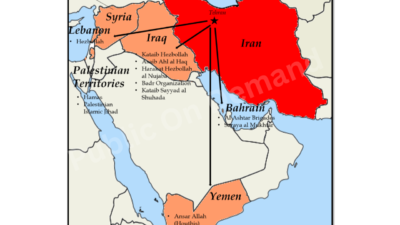
For years, Iran’s network of allied militias in Iraq has been considered one of Tehran’s strongest regional tools. These groups had deep local connections, steady funding, and the ability to mobilize thousands of fighters when needed. On paper, it looked like a powerful system—one that allowed Iran to project influence across the Middle East without deploying large numbers of its own troops.
But as regional tensions rise and conflicts intensify across the Middle East, a critical question is being asked by analysts and observers: if billions of dollars were spent building these forces, why do so many fighters now seem quiet, missing, or restrained?
The answer is complex. It involves political pressure inside Iraq, changing public opinion, military realities, and shifting strategies in the broader Middle East conflict.
Understanding this situation is key to making sense of Iraq’s security landscape, Iran’s regional strategy, and the direction of Middle Eastern geopolitics in 2026.
The Rise of Iran’s Proxy Network in Iraq
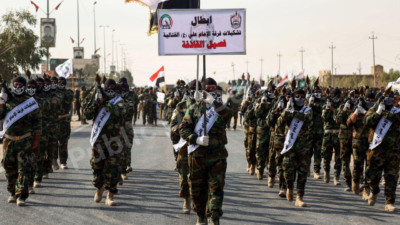
Iran’s influence in Iraq expanded significantly after the fall of Saddam Hussein in 2003. The political vacuum created space for new power structures, including armed groups with strong ties to Tehran.
The situation changed dramatically again in 2014 when ISIS captured large areas of Iraq. In response, Iraq’s most influential Shiite cleric, Grand Ayatollah Ali al-Sistani, issued a call for volunteers to defend the country.
This led to the formation of the Popular Mobilization Forces (PMF), a coalition of militias that eventually became part of Iraq’s official security structure.
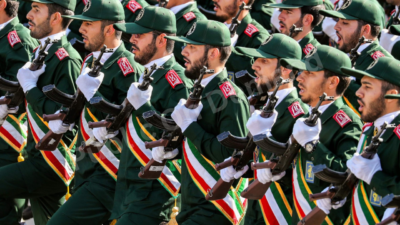
While the PMF includes many different factions, several groups developed close relationships with Iran’s elite military organization, the Islamic Revolutionary Guard Corps and its external operations branch, the Quds Force.
Over time, this network became a major part of Iraq’s security system, with billions of dollars allocated annually through Iraqi government budgets.
Proxy or Partner? The Complex Reality of the PMF
Many international headlines describe the PMF as simply a collection of Iranian proxy forces. In reality, the situation is far more complicated.
Within the PMF structure, several types of groups exist:
- Some factions are strongly aligned with Iran and closely coordinate with Tehran’s regional strategy.
- Others are more nationalist and primarily focused on Iraqi interests.
- Many depend heavily on Iraqi state funding and legitimacy.
This mix of political interests means militia groups cannot always behave like traditional proxies without risking backlash inside Iraq’s political system.
As a result, the line between proxy forces and national security partners has become increasingly blurred.
Why Iran-Aligned Militias Are Becoming Less Visible
In recent years, reports have shown cycles of militia activity followed by sudden periods of quiet. At times when regional tensions were expected to escalate dramatically, several Iran-aligned factions appeared to pause operations.
There are several key reasons behind this shift.
1. Iraq’s Government Is Quietly Applying Pressure
Iraq’s leadership faces a delicate balancing act. The country must maintain relations with Iran while also cooperating with international partners such as the United States.
If Iraq becomes a major battlefield for proxy conflicts, it could damage the economy, trigger internal instability, and harm diplomatic relations.
Because of this, Baghdad has quietly used administrative and political tools to limit militia escalation. These include:
- controlling salaries and official postings
- restructuring militia leadership positions
- applying legal pressure on unauthorized operations
- negotiating limits through political channels
Militia leaders who rely on state recognition understand that provoking major international retaliation could jeopardize their own position.
2. Growing Public Fatigue With Proxy Conflicts
After decades of war, many Iraqis are increasingly frustrated with external influence and armed factions operating beyond government control.
Younger generations in particular are more focused on:
- economic opportunity
- anti-corruption reforms
- public services
- national sovereignty
When militia groups appear to prioritize regional ideological battles over domestic stability, public support can quickly decline.
This growing sentiment has forced many factions to adopt a lower profile.
3. Modern Surveillance Has Changed the Battlefield
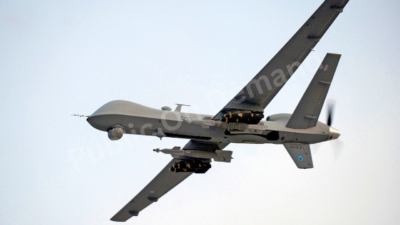
Today’s conflicts are shaped not only by fighters on the ground but also by advanced intelligence systems, drones, and precision strikes.
Iran-aligned networks have learned that high visibility can make them easy targets.
Instead of large formations and public demonstrations of force, many groups are now operating in smaller, decentralized units with minimal public exposure.
This strategic shift can create the impression that fighters have disappeared, when in reality they are simply operating more cautiously.
4. Internal Divisions Among Militia Groups
Another overlooked factor is the internal political competition within militia networks.
Not every faction shares the same goals or risk tolerance. Some groups favor confrontation with regional rivals, while others prefer stability to protect their political and economic interests.
These differences can lead to hesitation or reduced activity during moments of heightened regional tension.
Why Iraq Is Not Always Iran’s Preferred Battlefield
Although Iraq remains strategically important for Tehran, it is also politically sensitive.
Iran relies on Iraq not only for security influence but also for economic cooperation, trade routes, and political partnerships—especially under international sanctions.
A full-scale conflict inside Iraq could threaten these relationships.
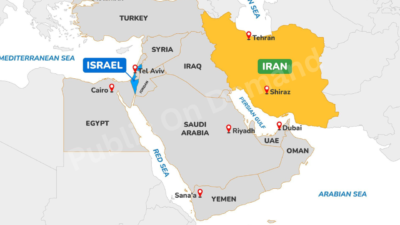
Because of this, Iranian strategists may sometimes choose to limit escalation in Iraq while focusing attention on other regional theaters.
In other words, restraint can sometimes be a deliberate strategic decision rather than a sign of weakness.
What “Fading” Looks Like in Practice
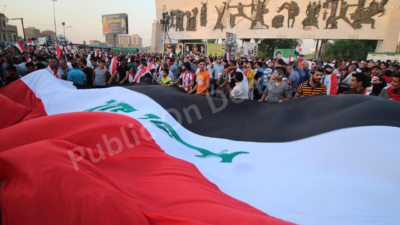
When analysts say militia groups are fading, it rarely means they have disappeared completely.
Instead, the changes are often subtle.
Some factions have reduced public displays such as parades, recruitment campaigns, and media-heavy propaganda.
Others have shifted their focus toward political activity, presenting themselves as legitimate political actors rather than purely armed groups.
In many cases, operations are paused during periods of extreme tension to avoid triggering international retaliation.
What This Means for Iraq’s Future
The quieter presence of militia forces may temporarily reduce the risk of Iraq becoming the center of a major regional war.
However, the fundamental issue remains unresolved: who ultimately controls the use of force inside Iraq?
Until Iraq’s state institutions establish a clear monopoly on security authority, armed networks will likely continue to influence the country’s political and security environment.
How to Understand the Real Trend
For observers trying to understand what is really happening, focusing only on violent incidents can be misleading.
More useful indicators include:
- government budget allocations for the PMF
- leadership changes within militia organizations
- political influence in local governments
- international sanctions and financial restrictions
These factors often reveal deeper changes in power structures than individual attacks or headlines.
latest global conflict updates
Sources
Reuters — World News (Middle East / Iran / Iraq coverage)
https://www.reuters.com/world/middle-east/
International Crisis Group — Iraq (reports and analysis)
https://www.crisisgroup.org/middle-east-north-africa/gulf-and-arabian-peninsula/iraq
United Nations Assistance Mission for Iraq (UNAMI) — Official Reports & Publications
https://www.unami.unmissions.org/reports