


Many people still remember the frustration of standing at gas stations in 2022 as fuel prices climbed to painful levels. Drivers were checking their budgets, calculating whether they could afford to drive as much as before. Now, a few years later, the world may be heading toward a similar situation again.
The sudden escalation of tensions involving the United States, Israel, and Iran in late February and early March 2026 has already begun sending shockwaves through global energy markets. What started as a geopolitical conflict is quickly turning into an economic concern for millions of people worldwide.
At the center of the crisis is a narrow but incredibly important waterway: the Strait of Hormuz.
The Critical Chokepoint: Strait of Hormuz
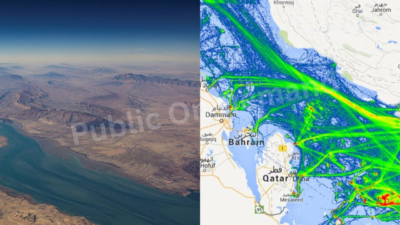
To understand why a war in the Middle East affects fuel prices around the world, one must look at the Strait of Hormuz. Located between Iran and Oman, this narrow passage is one of the most vital energy corridors on the planet.
Under normal conditions, nearly 20 million barrels of oil pass through the strait every day, representing roughly 20% of the world’s daily oil supply. In addition, about one-fifth of global liquefied natural gas (LNG) shipments also move through this route.
Since the recent escalation of the conflict, however, shipping activity in the strait has slowed dramatically. While the waterway is not physically blocked, the risk of military confrontation has created what experts call “commercial deterrence.”
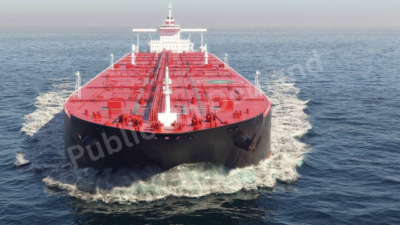
Iran has issued warnings to vessels moving through the region, and insurance premiums for oil tankers have surged by more than 50 percent. Faced with rising risks and costs, many shipping companies have chosen to delay their journeys, leaving tankers waiting offshore and disrupting global supply chains.
Oil Prices Could Reach $150
When global supply becomes uncertain, markets react immediately—and oil prices are already reflecting that fear.
Within days of the conflict escalating, Brent crude prices jumped above $92 per barrel, rising nearly 28% in just one week.
But the biggest concern lies ahead. Analysts at Goldman Sachs have warned that if disruptions in the Strait of Hormuz continue, oil prices could soon cross $100 per barrel and potentially surge toward $150 in the coming weeks.
Energy leaders in the region share the same concerns. Qatar’s Energy Minister, Saad al-Kaabi, recently cautioned that Gulf energy exporters may soon be forced to declare force majeure, a legal provision that allows companies to suspend delivery contracts due to extraordinary events such as war or natural disasters.
If that happens, the disruption to global energy supply could become even more severe.
The Risk of Global Economic Pain

For everyday consumers, rising oil prices usually translate into higher fuel costs and more expensive goods. Transportation costs increase, supply chains become more expensive, and businesses eventually pass those costs on to customers.
In the United States, gasoline prices have already climbed above $3.30 per gallon, and analysts warn they could soon reach $3.50 or higher if the crisis continues.
However, the larger concern for economists is the possibility of stagflation—a dangerous mix of slow economic growth and rising inflation.
Countries heavily dependent on imported energy, including India, China, and many European nations, are particularly vulnerable. Higher energy costs could increase inflation, force central banks to keep interest rates high, and slow global economic growth.