Iran War 2026: What It Means for Global Security and the Middle East
The Middle East is once again at the center of global attention as a new conflict involving Iran has significantly raised international tensions.
What began as a targeted military strike has now turned into a serious geopolitical crisis — one that could reshape global alliances, security dynamics, and the future of stability in the region.
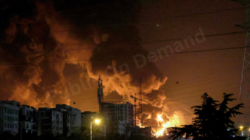
as a new conflict has significantly raised international tensions
How Did the Conflict Begin?
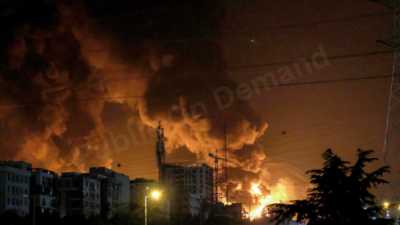
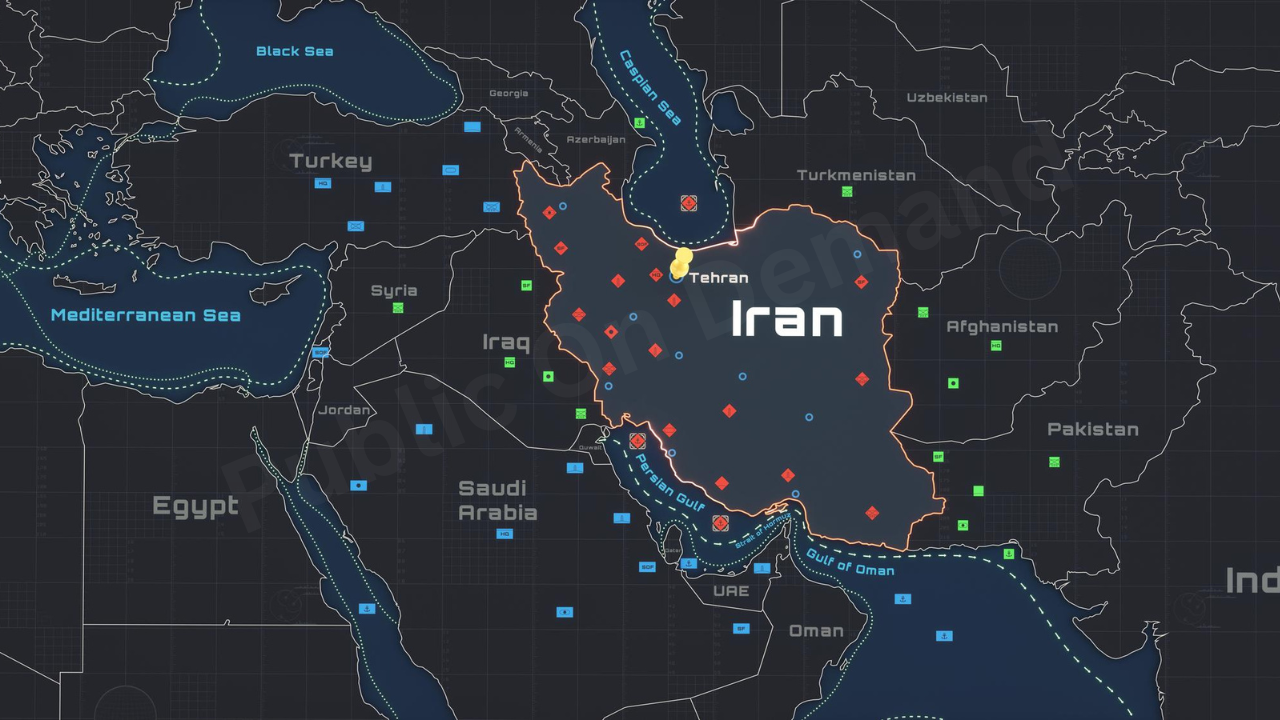
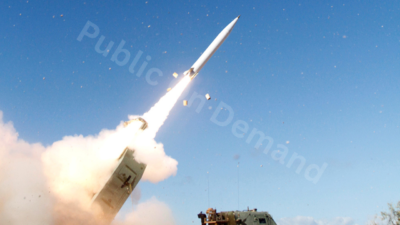
The situation escalated after coordinated military strikes reportedly targeted key Iranian defense infrastructure.
Strategic locations including missile facilities and military bases were hit in what analysts describe as a high-precision operation.
Following the strikes, Iran declared the attack an act of aggression and vowed retaliation.
This marked the beginning of what is now being referred to as the Iran War 2026.
coordinated military strikes reportedly targeted key Iranian defense infrastructure
Iran’s Immediate Response
Iran responded quickly.
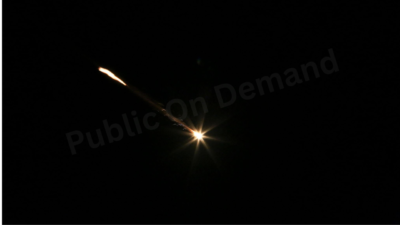
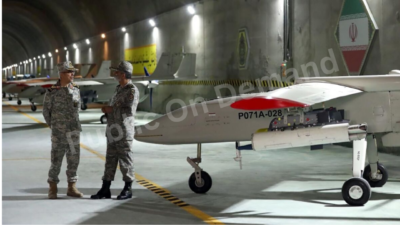
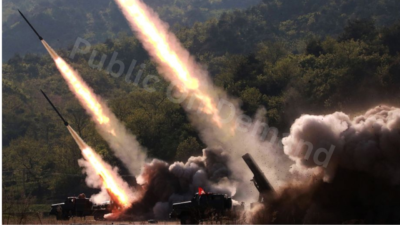
Reports suggest missile and drone activity across strategic zones in the Gulf region. Military bases and security installations were placed on high alert.
Airspace disruptions were observed in parts of the Middle East, and several commercial flight routes were affected due to rising security concerns.
Regional Stability at Risk
The conflict is not limited to just two sides.
Neighboring regions are feeling the pressure:
- Gulf security has tightened
- Naval activity has increased
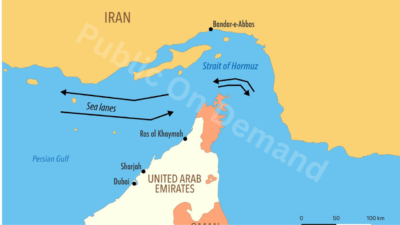
- Strategic waterways are under watch
One of the biggest global concerns is the safety of energy routes.
Any disruption to key oil transport paths could lead to major consequences for the global economy.
Global Reactions
World powers have responded cautiously.
Some Western nations have expressed support for defensive actions taken to counter perceived threats.
Meanwhile, others have urged restraint and called for diplomatic solutions to prevent further escalation.
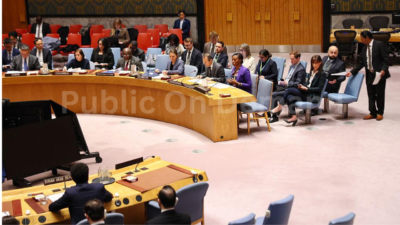
Emergency discussions at international forums highlight the seriousness of the situation.
Economic Impact
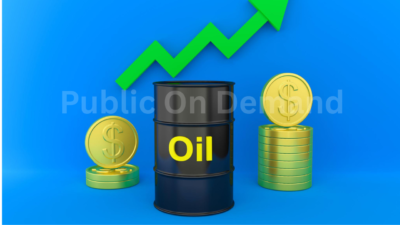
Even in its early stages, the conflict has begun affecting global markets.
- Oil prices have shown volatility
- Shipping risks are increasing
- Investor confidence is fluctuating
If the situation escalates further, the economic ripple effects could be felt worldwide.
Internal Pressure Within Iran
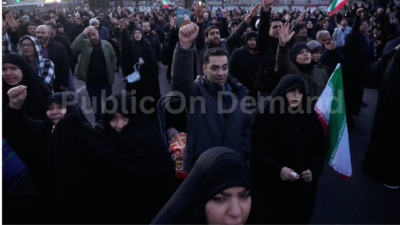
Conflicts of this scale often bring internal political pressure.
Leadership decisions, public sentiment, and national security strategy will play a crucial role in determining Iran’s next steps.
Stability within the country is now being closely watched by global observers.
What Happens Next?
There are three possible paths:
1. Limited Conflict
Short-term retaliation followed by diplomatic negotiations.
2. Regional Escalation
Involvement of allied groups leading to broader instability.
3. Global Power Tension
Major nations indirectly getting involved, increasing global risk.
At this stage, the future remains uncertain.
Conclusion
The Iran War 2026 is more than a regional military event — it is a global security concern.
The coming weeks will determine whether this conflict remains contained or evolves into a wider crisis.
Diplomacy, strategic restraint, and international cooperation may decide the outcome.
The world is watching closely.
Military Strategies Taking Shape
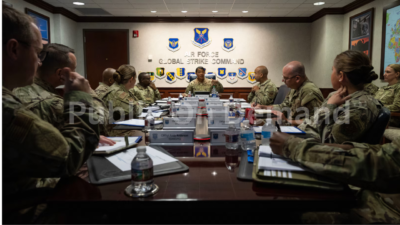
As tensions continue to rise, both sides appear to be shifting from reactive responses to calculated strategic positioning.
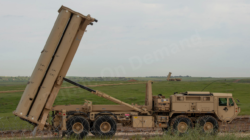
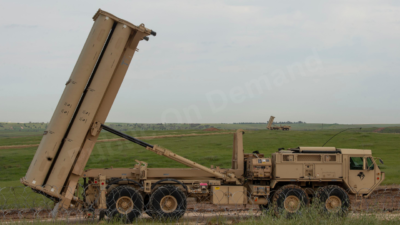
Defense systems across the region are being strengthened, while surveillance and cyber monitoring activities are increasing.
Military analysts believe the conflict is entering a phase where:
- Intelligence warfare
- Cyber operations
- Strategic deterrence
may play as important a role as traditional battlefield engagement.
Modern warfare is no longer limited to missiles and airstrikes — digital infrastructure and information dominance are becoming key elements.
Cyber Warfare: The Silent Battlefield
One of the most overlooked yet powerful aspects of modern conflict is cyber warfare.
Security experts warn that:
- Financial systems
- Power grids
- Communication networks
could become targets in indirect retaliation.
A cyber disruption could impact civilian life without a single missile being launched.
This makes the conflict far more unpredictable and difficult to contain.
Is heading ke niche first paragraph mein
Impact on Global Energy Supply
Energy markets are watching the situation closely.
The Middle East plays a crucial role in global oil supply, and any prolonged instability may affect:
- Fuel prices
- Transportation costs
- Industrial production
Even minor disruptions in supply chains can trigger inflation in multiple countries.
Energy-importing nations are particularly vulnerable.
Humanitarian Concerns Rising
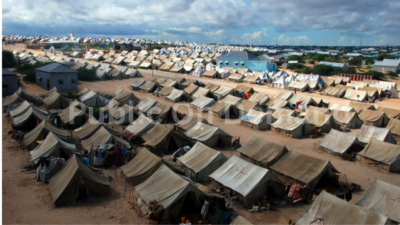
Beyond politics and strategy, the humanitarian aspect of the conflict cannot be ignored.
If tensions escalate further, possible consequences include:
- Civilian displacement
- Infrastructure damage
- Shortage of essential supplies
International aid organizations are already preparing contingency plans in case the situation worsens.
History shows that regional conflicts often create long-term humanitarian challenges.
Diplomatic Channels Still Open
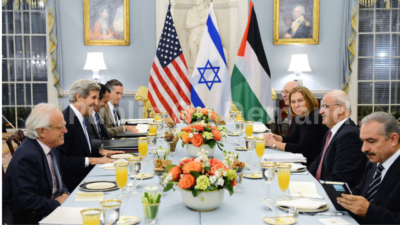
Despite rising tensions, diplomatic backchannels are believed to remain active.
Global leaders continue to push for:
- De-escalation
- Negotiation frameworks
- Confidence-building measures
In many past conflicts, diplomacy has played a crucial role in preventing wider war.
Whether dialogue succeeds this time remains uncertain.
The Role of Global Alliances
Strategic alliances will likely shape how the conflict evolves.
Military partnerships, defense agreements, and geopolitical interests may influence decisions taken in the coming weeks.
The involvement — direct or indirect — of major global powers could transform the conflict from regional to international.
This is why global observers are closely monitoring every development.
Information Warfare & Public Perception
Another critical front is the battle for narrative.
Media coverage, social platforms, and public messaging are shaping how the conflict is perceived worldwide.
Public opinion can influence:
- Government decisions
- International support
- Diplomatic pressure
In the modern world, perception can sometimes be as powerful as action.
Long-Term Consequences
Even if the conflict remains limited, its long-term effects may include:
- Shifts in regional power balance
- Changes in defense policies
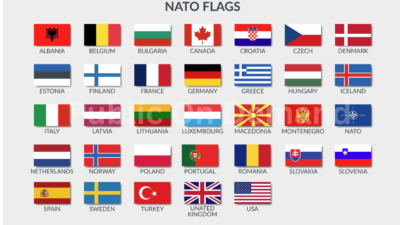
- Strengthening of military alliances
Global security strategies may also be redefined as nations reassess vulnerabilities and preparedness.
Final Outlook
At present, the situation remains fluid.
The coming days and weeks will determine whether this conflict stabilizes or escalates further.
While military readiness is increasing, so too are calls for restraint.
The balance between force and diplomacy will shape the future of this crisis.