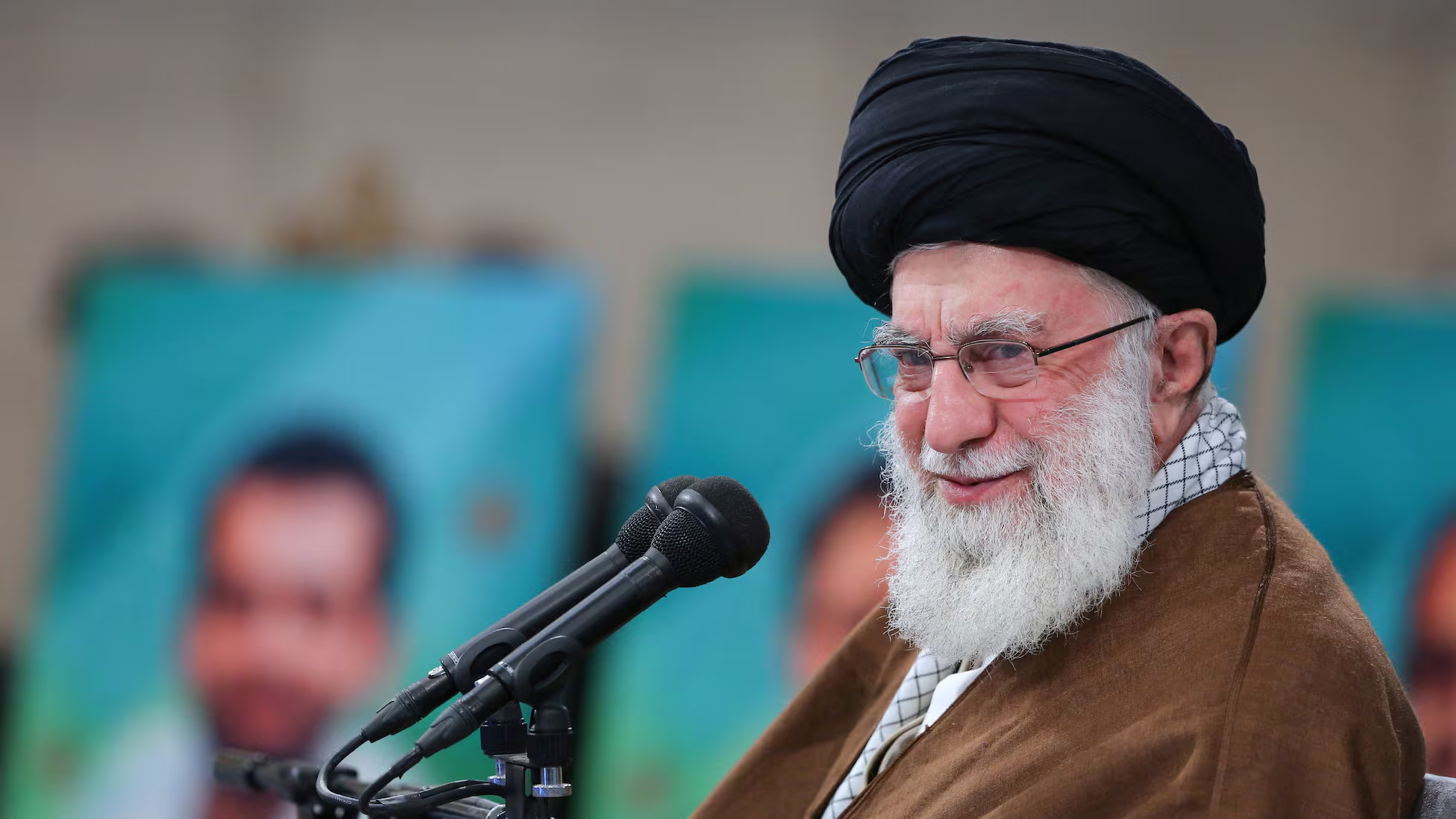
Iran Shock: Ali Khamenei’s Death Sparks Global Tensions and Political Uncertainty
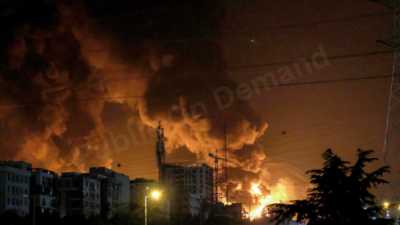
The world was shaken on February 28, 2026, after reports emerged that Iran’s Supreme Leader, Ayatollah Ali Khamenei, had died following a major U.S.-Israel military strike on Tehran.
You can read more about his background here:
👉 https://en.wikipedia.org/wiki/Ali_Khamenei
For more than three decades, Khamenei was not just Iran’s leader — he was the face of the country’s ideological resistance against Western influence. His sudden death marks a turning point not only for Iran but for the entire Middle East.
According to multiple international reports, the strike targeted high-security sites linked to Iran’s military and nuclear leadership.
Iranian state media later confirmed his death at the age of 86, ending a leadership era that began in 1989 after Ayatollah Khomeini’s passing.
Who Was Ali Khamenei?
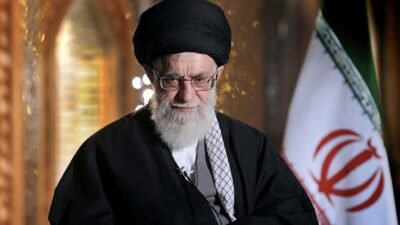
Ali Khamenei served as Iran’s Supreme Leader for over 36 years — the most powerful position in the country’s political and religious structure.
Under his leadership:
- Iran expanded its nuclear program despite sanctions
- Built influence across the Middle East through proxy alliances
- Strengthened the Revolutionary Guard’s role in governance
- Suppressed multiple domestic protest movements
His rule was often marked by internal crackdowns and strong anti-Western rhetoric.
The Strike That Changed Everything
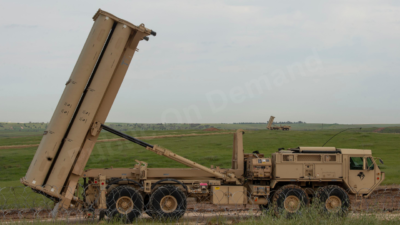
The U.S.-Israel operation reportedly targeted strategic military facilities in Tehran and Isfahan.
The goal was to:
✔ weaken Iran’s missile capabilities
✔ slow nuclear development
✔ disrupt command structures
However, the impact went far beyond military objectives.
Khamenei’s death has created a massive leadership vacuum inside Iran — with no clear successor yet named.
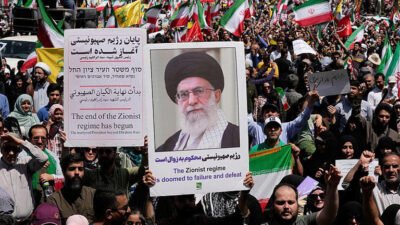
Iran has already announced 40 days of mourning.
Regional Fallout Begins
Iran’s leadership has called the strike an act of aggression and vowed retaliation.
President Masoud Pezeshkian described revenge as a “legitimate duty.”
This signals:
- Possible escalation in Middle East tensions
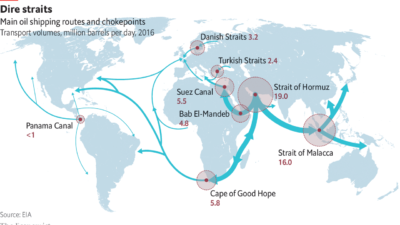
- Increased threat to global oil supply routes
- Rising geopolitical instability
For deeper context on ongoing regional tensions:
👉 https://www.cfr.org/global-conflict-tracker/conflict/tensions-between-iran-and-united-states
Global leaders have already urged restraint to prevent wider conflict.
Global Economic Impact
The death of such a central figure is not just political — it has economic consequences too.
Early reactions include:
- Oil price volatility
- Stock market uncertainty
- Trade route concerns in the Strait of Hormuz
Nearly 20% of global oil passes through this region, making stability critical.
To understand the importance of this oil route:
👉 https://www.eia.gov/international/analysis/regions-of-interest/Strait_of_Hormuz
What Happens Next?
Iran’s Assembly of Experts will now choose the next Supreme Leader.
But the real power may lie with:
👉 The Revolutionary Guard
👉 Military command structures
👉 Political hardliners
Analysts believe this moment could reshape Iran’s future — either toward reform or further hardline control.
A Turning Point for the Middle East
Ali Khamenei’s death does not end tensions.
Instead, it opens a new and unpredictable chapter in global politics.
The coming weeks will determine:
- Iran’s leadership direction
- Western military strategy
- Stability across the Middle East
For now, the world watches as one of the most powerful figures in modern geopolitics exits the stage — leaving behind a nation at a crossroads.