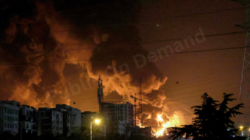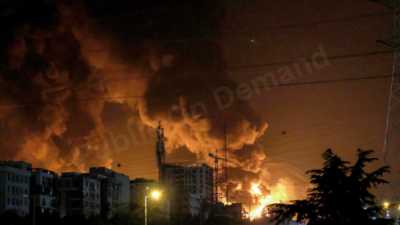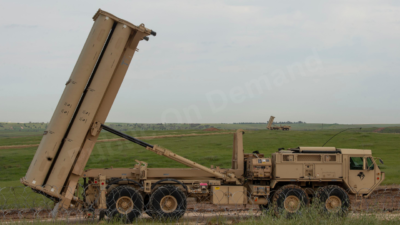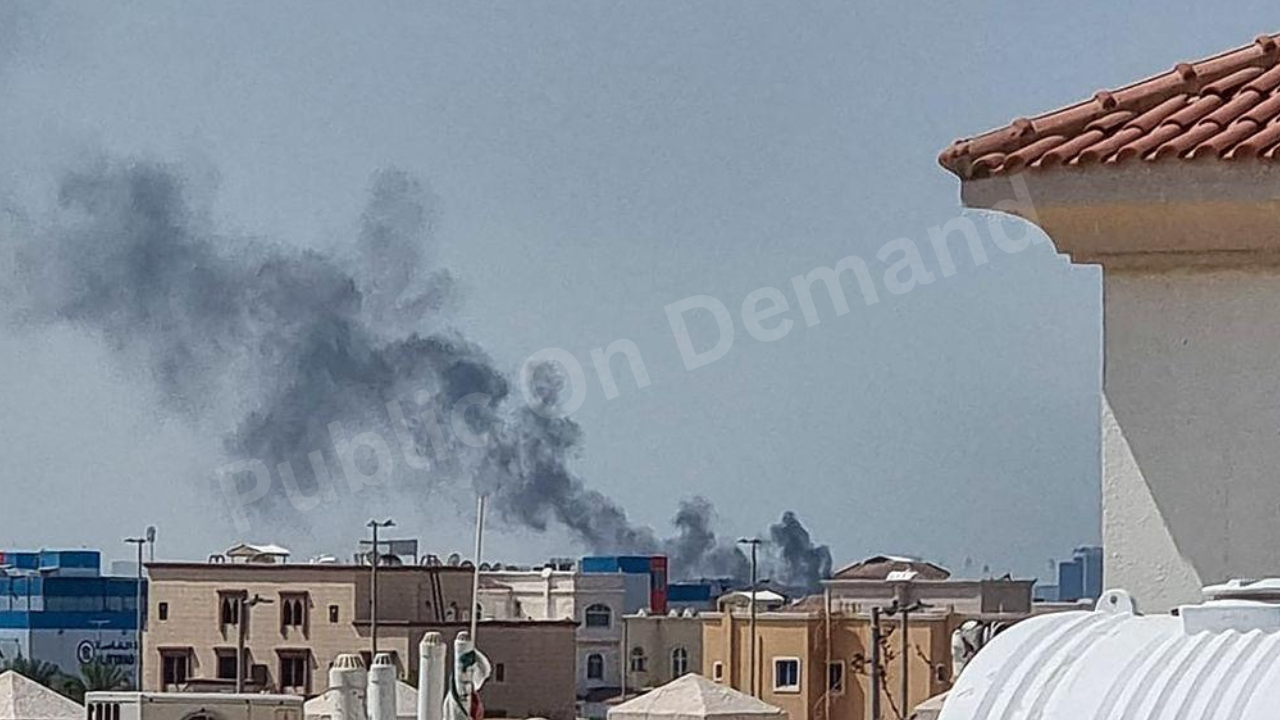
The Iran–Israel conflict in 2026 has become one of the most serious geopolitical crises in the world. Rising military tensions between the two countries have increased fears of a wider conflict across the Middle East.
The biggest concern for global markets is the possibility of an oil supply disruption, since the Middle East produces a major share of the world’s crude oil. If the situation escalates further, it could affect fuel prices, stock markets, aviation routes, and international trade.
Many economic analysts believe that the coming weeks could be crucial in determining whether the crisis remains regional or turns into a larger global issue.
Why the Iran–Israel Conflict Is Escalating
Several political and military factors are contributing to the rising tensions between the two nations.
Regional Power Competition
Iran and Israel are among the most influential military powers in the Middle East. Both countries aim to secure strategic influence and protect their national interests in the region.
Military Activity
Recent developments include:
- Missile launches and interceptions
- Drone attacks
- Increased military readiness
- Rising regional security alerts
These activities raise concerns that the conflict could expand beyond the two countries.
Long-Term Strategic Rivalry
Geopolitical rivalries and security concerns have existed between Iran and Israel for decades. The current escalation reflects deeper strategic tensions in the region.
The Strait of Hormuz: The World’s Most Important Oil Route
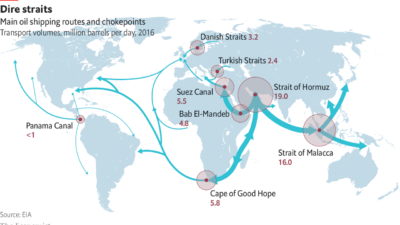
A key reason why this conflict matters globally is the Strait of Hormuz, a narrow shipping route connecting the Persian Gulf to international waters.
Nearly 20% of the world’s oil supply passes through this route every day, making it one of the most critical energy corridors in the world.
If military tensions disrupt shipping through this area, it could cause:
- Rapid increases in global oil prices
- Energy shortages in some countries
- Higher transportation costs worldwide
Even the risk of disruption can trigger significant market reactions.
Countries That Could Be Most Affected by an Oil Crisis
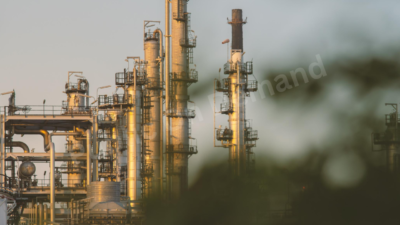
If Middle Eastern oil supply becomes unstable, several major economies would face serious challenges.
India
India imports a large portion of its crude oil from the Middle East. Any disruption could increase fuel prices and impact transportation, manufacturing, and electricity production.
China
China is the world’s largest oil importer and relies heavily on Middle Eastern energy to support its industrial economy.
Japan
Japan depends on imported oil for most of its energy needs, with a large share coming from Gulf countries.
South Korea
South Korea also imports most of its crude oil from the Middle East, making it vulnerable to supply disruptions.
European Countries
European economies could also face rising energy prices if global oil markets become unstable.
Strategic Oil Reserves: How Long Countries Can Survive
To prepare for energy emergencies, many countries maintain strategic petroleum reserves.
Approximate reserve levels include:
- India: around 60–70 days of oil reserves
- Japan: more than 200 days of reserves
- United States and other developed countries: at least 90 days of reserves
These reserves are used to stabilize markets and ensure energy supply during crises.
Impact on Global Stock Markets

Geopolitical conflicts often create uncertainty in financial markets.
Possible market reactions include:
- Increased volatility in global stock exchanges
- Higher oil prices benefiting energy companies
- Investors shifting toward safer assets like gold
If the conflict escalates further, global markets could experience stronger fluctuations.
Aviation and Global Trade Risks

Airlines often reroute flights away from conflict zones for safety reasons. This leads to:
- Longer flight routes
- Increased fuel costs
- Higher ticket prices
Global shipping routes for energy and goods could also face disruptions if security risks increase in the region.
What Could Happen Next
Experts believe several possible outcomes exist:
- Diplomatic negotiations reduce tensions
- Limited military confrontations continue
- Wider regional involvement increases instability
International organizations are currently encouraging diplomatic solutions to prevent escalation.
Conclusion
The Iran–Israel conflict escalation in 2026 highlights how regional tensions can quickly impact the global economy. From oil supply routes and energy prices to financial markets and aviation networks, the consequences could reach far beyond the Middle East.
As global leaders monitor the situation closely, the coming weeks may determine whether the crisis stabilizes or develops into a larger geopolitical conflict.