


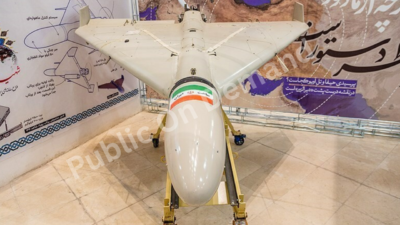
Iran Drones vs US Missiles Cost: How $20,000 Drones Are Challenging $4 Million Missile Systems
Introduction
The debate around Iran drones vs US missiles cost is becoming one of the most discussed issues in modern warfare. Military experts say that low-cost Iranian drones are creating a serious economic challenge for expensive Western missile defense systems.
In recent conflicts, analysts observed that inexpensive drones can force advanced defense systems to use extremely costly interceptor missiles. This growing cost imbalance is changing how military strategists think about future wars.
The Iran Drones vs US Missiles Cost Gap
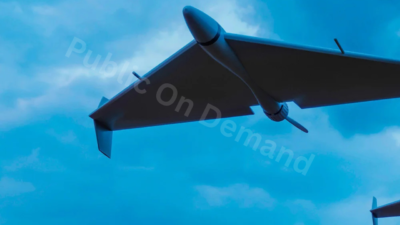
One of the biggest reasons this topic is gaining attention is the massive difference in cost between offensive drones and defensive missiles.
Iran has developed several loitering munitions, including the well-known Shahed-136 drone, which has been used in multiple conflicts.
Estimated costs:
- Iranian attack drone: $20,000 – $50,000
- Patriot interceptor missile: $3 – $4 million
- THAAD interceptor missile: $10 million or more
This means defending against a single drone attack may require a missile that costs dozens or even hundreds of times more.
Because of this imbalance, experts say the Iran drones vs US missiles cost strategy is putting financial pressure on advanced militaries.
Why Cheap Iranian Drones Are Effective
Low-cost drones are not only about price; they also offer strategic advantages.
Mass Production
Iran can produce large numbers of drones quickly. Instead of launching a single expensive weapon, dozens of drones can be deployed at once.
Drone Swarm Strategy
Military analysts warn that drone swarm attacks can overwhelm air-defense systems. If many drones approach simultaneously, defense systems may struggle to intercept all of them.
Economic Pressure
The Iran drones vs US missiles cost problem means that defending countries may spend millions of dollars just to stop relatively cheap threats.
In large attacks, the cost difference becomes even more dramatic.
For example:
- 100 drones could cost about $2–5 million
- Intercepting them with missiles could cost hundreds of millions of dollars
Real-World Impact on Modern Warfare
Recent conflicts in the Middle East and Eastern Europe have demonstrated how powerful low-cost drones can be.
Military analysts warn that if drone attacks continue to increase, countries may face a situation where missile stockpiles are depleted faster than drones can be destroyed.
Some experts believe future wars may even be decided by which side runs out of weapons first.
This is why the discussion around Iran drones vs US missiles cost has become increasingly important in global defense policy.
How the United States Is Responding
The United States and its allies are now exploring new technologies to counter drone threats more efficiently.
Some of the solutions being tested include:
- Laser defense systems
- Electronic warfare to disable drones
- Low-cost interceptor drones
- Cheaper missile defense systems designed specifically for drones
Laser weapons, in particular, are seen as a promising solution because they can destroy drones at a much lower cost than traditional missiles.
The Future of Drone Warfare
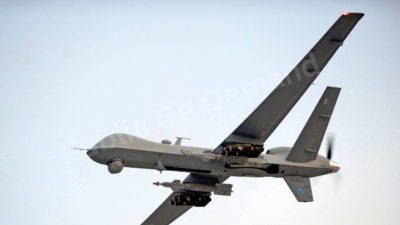
The rise of inexpensive drones is transforming modern warfare.
Military experts believe future conflicts may rely heavily on:
- AI-controlled drones
- Autonomous drone swarms
- Low-cost mass-produced weapons
Instead of relying only on expensive fighter jets and missiles, countries may increasingly focus on large fleets of affordable unmanned systems.
Conclusion
The growing debate around Iran drones vs US missiles cost highlights a major shift in modern warfare. Cheap drones are forcing advanced militaries to spend millions of dollars on defensive systems, creating a significant economic imbalance.
As drone technology continues to evolve, countries around the world are racing to develop more efficient and cost-effective defense solutions. The outcome of this technological race may shape the future of global military strategy.