Introduction
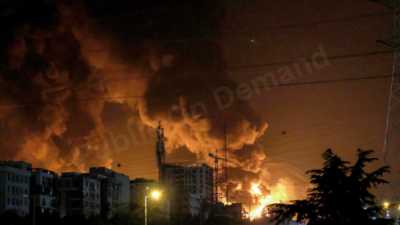
Modern warfare is no longer only about advanced technology or powerful armies. Increasingly, it has become a battle of economics and strategy. One of the most discussed developments in recent conflicts is the use of low-cost drones by Iran against defense systems that rely on extremely expensive interceptor missiles.
This imbalance has created a situation where defending against an attack can sometimes cost far more than launching it. Military analysts now describe this as a “cost-imposition strategy,” where the attacker forces the defender to spend significantly more money to stop the threat.
The topic of Iran drones vs US missiles cost has become an important discussion in modern warfare. Military analysts say that cheap Iranian drones are creating a serious economic challenge for expensive US missile defense systems. While Iran can produce drones at a relatively low cost, intercepting them often requires missiles that cost millions of dollars.
The Cost Gap: Iranian Drones vs U.S. Missiles
One of the main reasons this strategy works is the massive difference in cost between drones and missile defense systems.
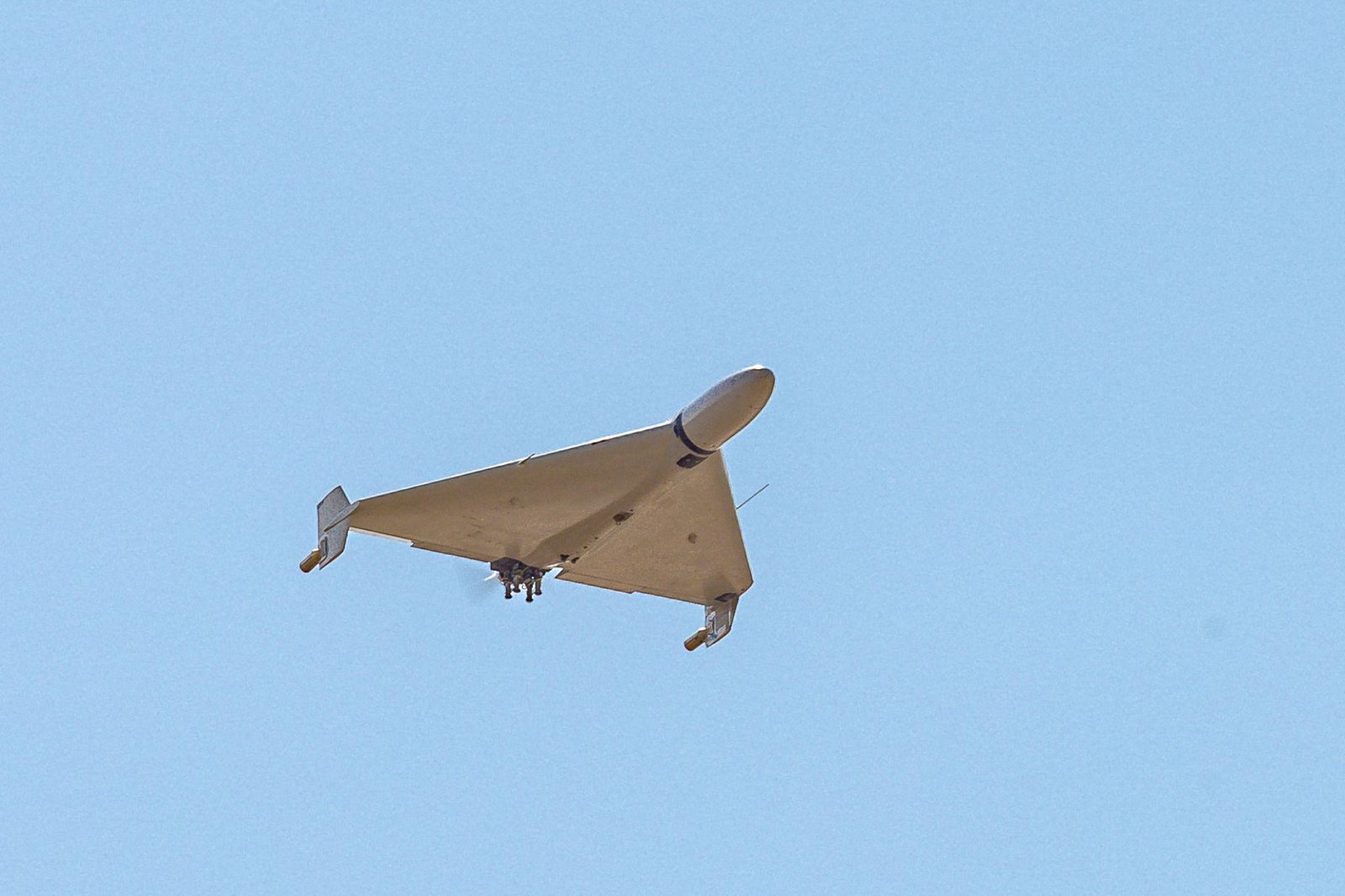
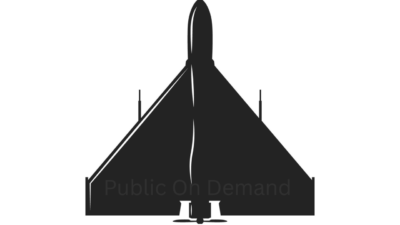
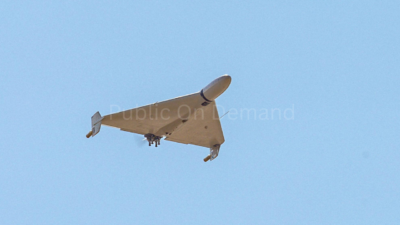
Iran has developed several kamikaze or loitering drones, including the widely known Shahed-136.
Typical estimates suggest:
- Iranian drone cost: $20,000 – $50,000 per unit
- Range: up to 2,000 kilometers
- Payload: roughly 40 kg of explosives
These drones are relatively simple to produce and can be launched in large numbers.
In contrast, many air-defense systems used to intercept these drones are far more expensive.
For example:
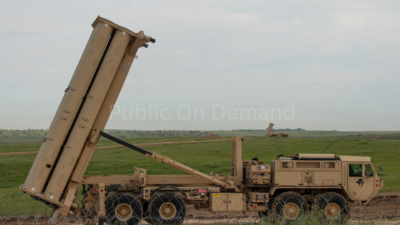
- Patriot interceptor missile: around $3–4 million per missile
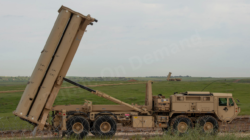
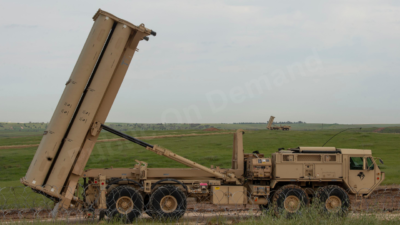
- THAAD interceptor: around $10–12 million per missile
This means that stopping a single inexpensive drone may require a missile that costs dozens or even hundreds of times more.
Why Cheap Drones Are Strategically Effective
The effectiveness of these drones is not only about their technology but also about how they are used in large numbers.
1. Mass Drone Attacks
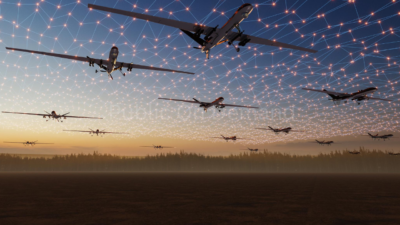
Instead of sending one drone, attackers often launch dozens or even hundreds simultaneously. This tactic is known as a drone swarm.
When air-defense systems try to intercept every incoming drone, they quickly use large numbers of expensive missiles.
2. Economic Pressure on Defenders
From a financial perspective, the defender may end up spending far more resources.
For example:
- Launching 100 drones might cost around $2–5 million.
- Intercepting them with advanced missiles could cost hundreds of millions of dollars.
This creates long-term pressure on the defending country’s military budget.
3. Overloading Air-Defense Systems
Another advantage of mass drone attacks is that they can overwhelm air-defense networks.
Even highly advanced defense systems have limits on how many targets they can track and intercept at the same time. If too many drones arrive simultaneously, some may slip through the defenses.
Real-World Conflicts Showing This Trend
Recent conflicts in the Middle East and Eastern Europe have demonstrated how effective cheap drones can be.
In several cases, militaries have been forced to use multi-million-dollar interceptor missiles to stop relatively inexpensive drones. Analysts say this imbalance is forcing many countries to rethink how they defend their airspace.
How the United States Is Adapting
The United States and its allies are now exploring new solutions to address this challenge.
These include:
- Developing low-cost interceptor drones
- Using electronic warfare to disable drones
- Deploying laser weapons to destroy drones at a lower cost
- Building cheaper missile systems designed specifically for drone threats
Laser defense systems, in particular, are seen as a potential game-changer because they could intercept drones for a fraction of the cost of traditional missiles.
The Future of Drone Warfare
Experts believe drone warfare will play a major role in future conflicts.
Countries are increasingly investing in:
- AI-powered autonomous drones
- Swarm drone technology
- Low-cost mass-production weapons
Instead of relying only on expensive fighter jets and missiles, militaries may shift toward large numbers of affordable unmanned systems.
This shift could dramatically change how wars are fought in the coming decades.
Conclusion
The rise of low-cost Iranian drones highlights a growing challenge in modern warfare. When inexpensive weapons force opponents to spend vastly more money to defend themselves, the battlefield becomes not only a contest of power but also of economic endurance.
As drone technology continues to evolve, nations around the world are now racing to develop more efficient and affordable defense systems to counter this new threat.