Airlines Worldwide Cancel Flights Amid Escalating Middle East Crisis
The escalating crisis in the Middle East is now causing major disruptions across global air travel, as airlines around the world are being forced to cancel or reroute flights due to growing safety concerns.
With tensions rising rapidly in the region, aviation authorities and international carriers are taking precautionary measures to avoid high-risk airspace, leading to widespread travel delays and cancellations.
Why Are Flights Being Cancelled?
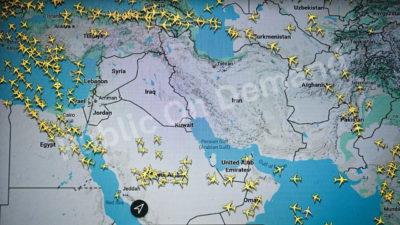
The primary reason behind the sudden wave of cancellations is the increasing instability in key Middle Eastern air corridors.
Airlines depend heavily on these routes for:
- Europe–Asia connections
- India–Middle East travel
- Global cargo movement
However, due to the current conflict, several airspaces are either restricted or considered unsafe for civilian aircraft.

This has forced airlines to:
- Suspend operations temporarily
- Reroute long-haul flights
- Adjust schedules to avoid conflict zones
As a result, passengers worldwide are experiencing unexpected travel disruptions.
Major Airlines Impacted
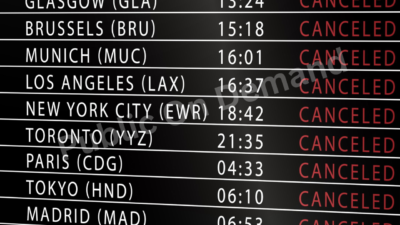
Several international carriers have already issued advisories and cancelled flights operating through sensitive regions.
Airlines are prioritizing passenger safety while monitoring the situation closely.
Some airlines have also warned that disruptions could continue if tensions remain high.
This includes:
- Flight delays
- Sudden cancellations
- Extended travel times due to rerouting
Global Travel Disruption
The impact of the Middle East crisis is not limited to the region alone.
Because the Middle East acts as a major aviation hub connecting continents, disruptions here affect:
- International tourism
- Business travel
- Cargo transport
- Transit passengers
Airports in key global hubs are already seeing ripple effects as airlines adjust routes to avoid potentially dangerous zones.
Economic Impact
Flight disruptions also have wider economic implications.
Air travel is closely tied to:
- Trade
- Tourism
- Supply chains
When routes are interrupted, it leads to:
- Increased fuel costs
- Longer flight durations
- Higher ticket prices
Over time, continued instability could impact global commerce and travel affordability.
What Travelers Should Do
Passengers planning international trips are advised to:
- Check flight status regularly
- Stay updated with airline advisories
- Allow extra travel time
- Prepare for possible rescheduling
Flexibility is key during periods of geopolitical uncertainty.

Conclusion
As tensions in the Middle East continue to escalate, global aviation networks are feeling the strain.
Flight cancellations and rerouting decisions reflect the seriousness of the situation and the importance of prioritizing passenger safety.
If the crisis continues, the aviation sector may face prolonged disruption, affecting travelers and industries worldwide.