As global geopolitics heats up, all eyes are turning toward the possible return of Donald Trump and what it could mean for rising tensions with Iran. At the heart of this unfolding scenario lies the Strait of Hormuz — a narrow but critical passage that controls the flow of the world’s energy supply World on Edge: Trump vs Iran 2026 Could Shut Down Strait of Hormuz & Crash Oil Markets.
With speculation growing around a renewed “Maximum Pressure” strategy, experts are warning that the world could be approaching a decisive moment: diplomatic breakthrough or dangerous escalation.
Why the Strait of Hormuz Is So Critical – World on Edge: Trump vs Iran 2026 Could Shut Down Strait of Hormuz & Crash Oil Markets
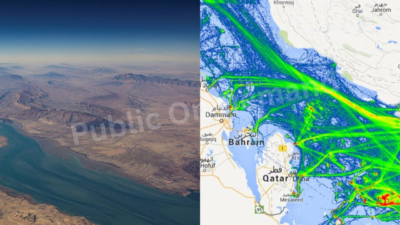
The Strait of Hormuz is often called the lifeline of global oil trade, and for good reason.
- 20% of Global Oil Supply: Nearly one-fifth of the world’s oil passes through this narrow corridor every day.
- Economic Shock Trigger: Even minor disruptions can instantly spike global oil prices.
- Strategic Vulnerability: At just 21 miles wide, it’s one of the most sensitive military chokepoints in the world.
Any instability here doesn’t stay regional — it impacts global markets, fuel prices, and economies worldwide.
Maximum Pressure 2.0: What Could Change? – World on Edge: Trump vs Iran 2026 Could Shut Down Strait of Hormuz & Crash Oil Markets
During his previous term, Trump withdrew from the Iran nuclear deal and imposed strict sanctions. A second term could bring an even tougher version of that policy.
Key Moves That Could Define the Strategy:
- Zero Oil Exports Goal: Aggressive sanctions aimed at completely cutting off Iran’s oil revenue.
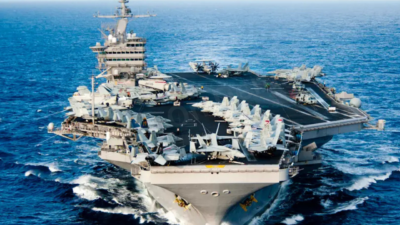
- Stronger Naval Deployment: Increased U.S. military presence to ensure uninterrupted shipping routes.
- Allied Pressure: Closer coordination with regional powers like Israel and Gulf countries.
The goal is clear: force Iran into a broader, stricter agreement covering nuclear activity, missile programs, and regional influence.
The Biggest Risk: A Military Flashpoint
This strategy comes with serious risks.
Iran has repeatedly warned that if its economy is pushed to the brink, it could block the Strait of Hormuz — a move that would cross a major red line for the United States.
That scenario could lead to:
- Direct military confrontation
- Disruption of global oil supply
- Massive economic fallout worldwide
In such a volatile region, even a small miscalculation could escalate rapidly.
Final Outlook: Diplomacy or Disaster?
The future of global energy security may hinge on how this situation unfolds. A renewed hardline approach could either force negotiations or trigger a high-stakes conflict.
The balance is extremely fragile — and the consequences are global.
As tensions rise, one thing is certain:
What happens in the Strait of Hormuz will shape the world economy.
This article is based on analysis of multiple publicly available news sources