A blast near the US Embassy in Oslo has sparked urgent questions—about motive, security, and the wider threat environment in Europe. Norway police have said the incident may have a terror motive, a phrase that can sound both alarming and frustratingly vague. Still, those words matter. They signal that investigators are looking beyond vandalism or an isolated criminal act and considering whether the attack was intended to intimidate the public or influence government decisions.
If you’re wondering what actually happened, what “possible terror motive” means in practical terms, and how these fits into broader security trends, you’re not alone. Let’s break it down clearly—without hype, but also without shrugging it off.
What happened at the US Embassy in Oslo?

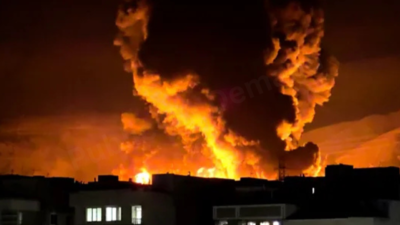
Norway’s police responded after an explosive incident near the US Embassy in Oslo, prompting a security response and an investigation into who was responsible and why. While early details in incidents like this can be limited—especially when authorities are trying not to compromise the investigation—what stands out is the framing: police said the blast *may have a terror motive*.
That doesn’t automatically mean an organized terrorist group was behind it. It does mean investigators are considering whether the act was politically, ideologically, or religiously motivated, rather than simply reckless or opportunistic.
What does “may have a terror motive” mean?
In Norway, as in many European countries, terrorism is generally tied to intent—specifically, intent to create serious fear, disrupt societal functions, or pressure authorities. In the early phase of an investigation, police typically explore multiple hypotheses:
– Targeting a diplomatic site (like an embassy) for symbolic reasons
– Sending a political message or retaliating for international events
– Testing security or seeking attention
– Copycat behavior, where one high-profile act inspires another
Sometimes the “terror motive” hypothesis remains. Sometimes it falls away as evidence comes in. But it changes how the case is handled: more resources, tighter intelligence coordination, and often more security measures around sensitive sites.
Why embassies are high-risk targets (and why that matters)
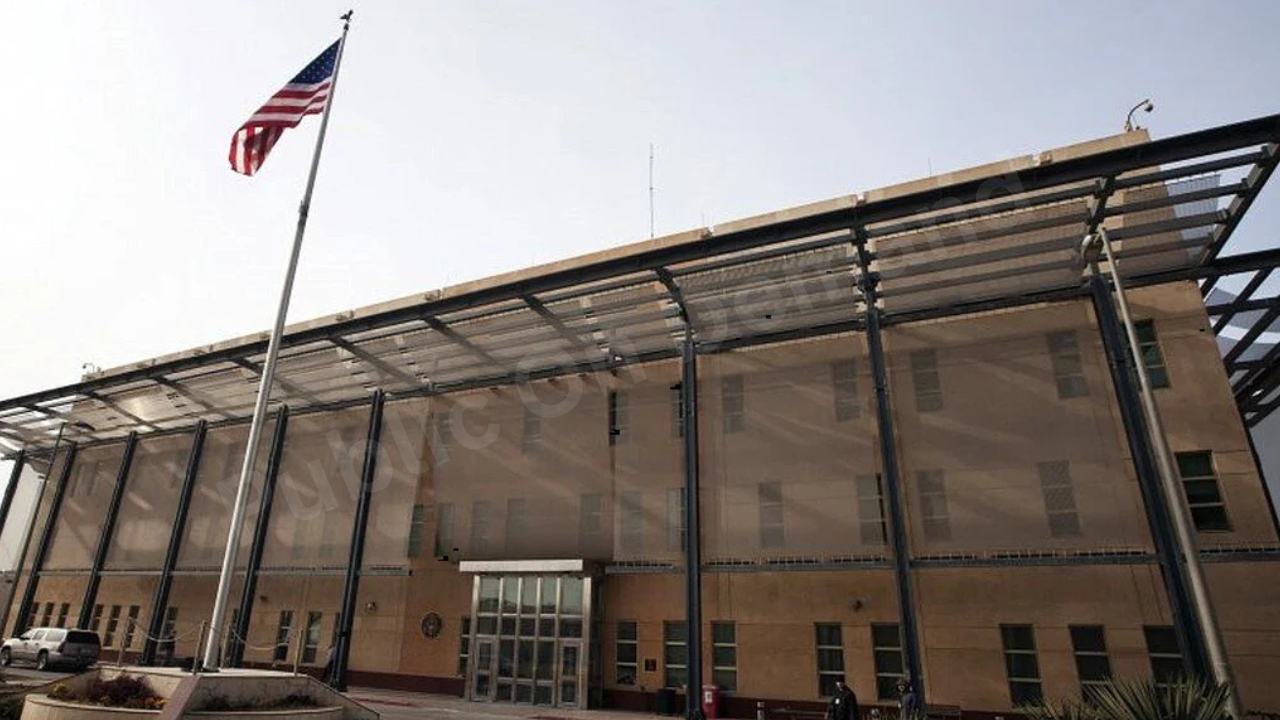
Embassies are not just buildings. They are symbols of state power and foreign policy. That makes them attractive targets for anyone trying to broadcast a message—whether they’re linked to extremist networks, acting alone, or motivated by a grievance that has simmered into violence.
The US, in particular, remains a frequent symbolic target globally because of its role in international politics, military alliances, and high-visibility diplomacy.
The Oslo context: a generally safe country—yet not immune
Norway is consistently ranked among the world’s safest countries. For example, the Global Peace Index has often placed Norway near the top tier of peaceful nations (typically within the top 20). Yet “safe” doesn’t mean “immune.” Norway’s modern history includes major politically motivated violence, most notably the **2011 attacks** that killed **77 people**—a national trauma that reshaped security thinking across Scandinavia.
So when police in Oslo raise the possibility of a terror motive, it lands in a society that takes these signals seriously, but also values calm, evidence-based responses.
How Norway police and security services typically respond
When a blast occurs near a diplomatic mission, response efforts tend to unfold in overlapping tracks: securing the area, assessing threat risk, collecting forensic evidence, and building an intelligence picture.
Immediate response: what happens first?
In practice, the first hours after an incident usually include:
– Cordons and evacuations around the site
– Bomb squad and forensic teams assessing explosive type and placement
– Witness interviews and review of surveillance footage
– Threat assessments for copycat risks or coordinated action
Coordinated investigation and intelligence-sharing
If a terror motive is being considered, Norway’s **Police Security Service (PST)**—the country’s domestic security and intelligence agency—may become involved or coordinate closely. PST has long warned that Europe’s threat environment includes both **Islamist extremism** and **right-wing extremism**, as well as rising concerns around online radicalization and lone-actor violence.
That last point is key: recent European security cases increasingly involve individuals who radicalize quickly online, act with little planning, and may not have direct organizational links.
The bigger trend: embassies and diplomatic sites under pressure
It’s hard to talk about an embassy-related incident without acknowledging a broader trend: diplomatic compounds have faced heightened pressure in recent years due to global polarization, regional conflicts, and political anger that travels fast online.
You’ve likely seen how quickly international events can spark protests or threats—sometimes directed at embassies simply because they are visible, local symbols of a faraway decision.
Lone actors, small devices, big impact
Not every attack needs to be large-scale to have a major psychological effect. A small explosive, even if it causes limited damage, can still:
– Generate global headlines
– Force diplomatic disruptions
– Prompt costly security upgrades
– Increase public anxiety
That’s part of what terrorism aims to do: magnify fear and disruption beyond the immediate physical damage.
What to watch for next in the Oslo embassy blast investigation
If you’re following this story, it helps to know what usually comes next—because early reporting often feels incomplete.
1) Police updates on suspects and motive
Authorities may announce arrests, searches, or requests for public tips. If they begin describing ideological motives, manifestos, online activity, or targeted planning, that often strengthens a terror-related theory.
2) Forensic findings about the device
Investigators typically look at:
– Method of ignition
– Material composition
– Signs of technical expertise (or lack of it)
– Whether it was designed to injure or mainly to intimidate
These details help determine whether this was a serious attempt to cause casualties or a symbolic act.
3) Security posture changes in Oslo
You may see temporary measures such as increased patrols, traffic restrictions, or visible barriers around embassies and government buildings. Sometimes those measures fade quickly; sometimes they become semi-permanent.
Practical safety advice: what you can do if you live in or visit Oslo
Most people will never be near an incident like this. Still, it’s reasonable to ask: what should *you* do if you’re in a city where a major security investigation is unfolding?
Stay informed—but don’t doomscroll
Follow updates from:
– Local police announcements
– Official government security advisories
– Major, reputable news outlets that correct errors
If you notice your stress rising, set boundaries. Check updates at set times instead of refreshing constantly.
Avoid restricted areas and don’t “go look”
Curiosity is natural. But cordoned areas exist for a reason—there could be secondary hazards, ongoing forensic work, or heightened risk.
If you’re near the city center and see police tape, reroute. It’s not just about your safety; it also helps investigators do their job.
If you see something unusual, report it the right way
In many European cities, public reporting has played a real role in solving major cases. Reporting suspicious behavior doesn’t mean profiling people—it means noticing actions that don’t fit the situation (unattended packages near sensitive sites, attempts to access restricted areas, someone filming security measures in a covert way).
Use local emergency numbers when appropriate, and otherwise use official tip lines.
What this means for Norway—and for you
When Norway police say the blast at the US Embassy in Oslo may have a terror motive, it’s a signal that authorities are treating the incident as potentially serious and politically charged, not just random destruction. It also reflects the reality of today’s security landscape: even peaceful, well-governed countries can face sudden, high-impact threats—especially at symbolic locations like embassies.
At the same time, it’s worth holding two truths together. First, investigators need time, and early assumptions can be wrong. Second, preparedness and public awareness are not paranoia—they’re part of resilience.
So here’s the question to sit with: in a world where political anger can jump borders in minutes, how should cities protect open civic life without turning public spaces into fortresses? Oslo, like many capitals, is navigating that balance in real time—and the outcome will shape security decisions well beyond this one case.