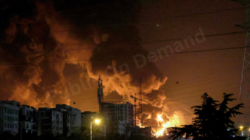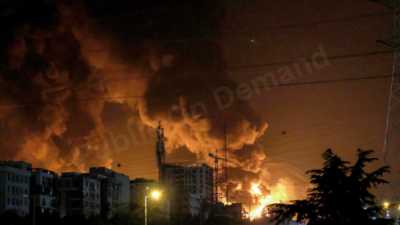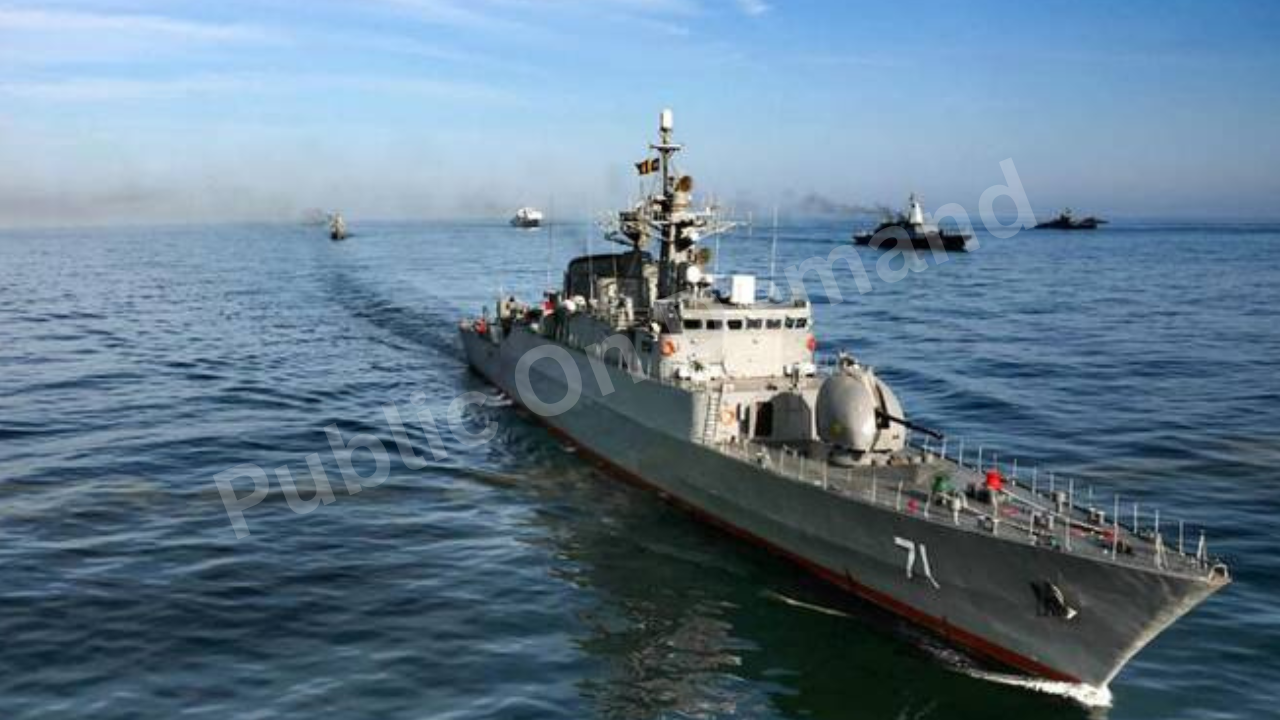
The global military situation escalated sharply after a United States submarine sank an Iranian warship in the Indian Ocean, killing at least 87 sailors. The incident happened near the coast of Sri Lanka while the Iranian vessel was reportedly returning home after participating in a naval exercise in India.
The attack has increased tensions between the US and Iran and could have serious geopolitical consequences for the Middle East and global energy markets.
What Happened
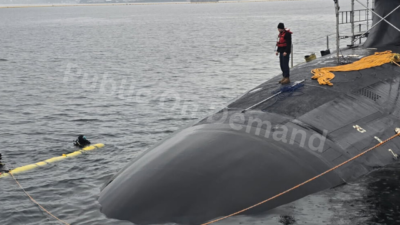
According to reports, the Iranian Navy frigate IRIS Dena was hit by a torpedo fired from a US submarine while sailing in international waters. The ship sent a distress signal before sinking around 40 nautical miles off the coast of Galle, Sri Lanka.
Sri Lankan authorities immediately launched a rescue operation.
Key details:
- Around 180 crew members were on board the ship
- 87 bodies recovered so far
- 32 sailors rescued and taken to hospital
- Many others are still reported missing
Rescue teams found only oil slicks and debris at the sinking site.
Ship Was Returning From India
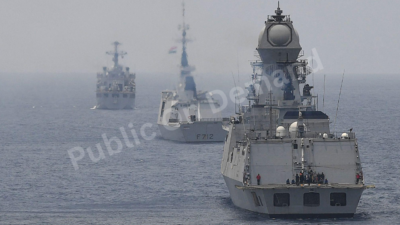
The Iranian warship had recently taken part in a multinational naval exercise in India, including the MILAN naval exercise in Visakhapatnam. After completing the event, the ship was sailing back toward Iran when the attack occurred.
Military analysts say the presence of the ship near South Asian waters made the incident geopolitically sensitive because it happened close to major shipping routes.
Why the US Attacked
US officials confirmed the strike and said it was part of ongoing military operations against Iran.
The US defense leadership stated that the attack demonstrated America’s ability to strike enemy forces anywhere in the world.
Experts believe the move is connected to the broader US-Israel conflict with Iran, which has already led to multiple strikes and retaliations across the region.
First Torpedo Sinking Since World War II
Defense officials said the strike marks the first time since World War II that a US submarine has sunk an enemy warship with a torpedo.
Global Impact
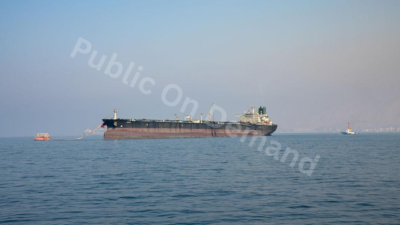
The sinking of the Iranian ship could affect several global factors:
1. Middle East Stability
The incident may trigger further retaliation from Iran and escalate the conflict.
2. Oil Supply
The war has already disrupted shipping in the Strait of Hormuz, which handles a large portion of global oil trade.
3. Countries That May Be Affected
- India
- China
- European Union nations
- Gulf countries
- Japan and South Korea
These economies rely heavily on oil shipments from the Middle East.